
Many Florida homeowners hear scratching above the ceiling and hope it will stop. It rarely does. Roof rats in attic Florida homes are a common problem, and they grow worse the longer they stay. All Thermo Insulation helps homeowners handle the whole problem: the rats, the damage, and the entry points. This guide explains what to look for and what to do.
Why Do Roof Rats Choose Florida Attics?
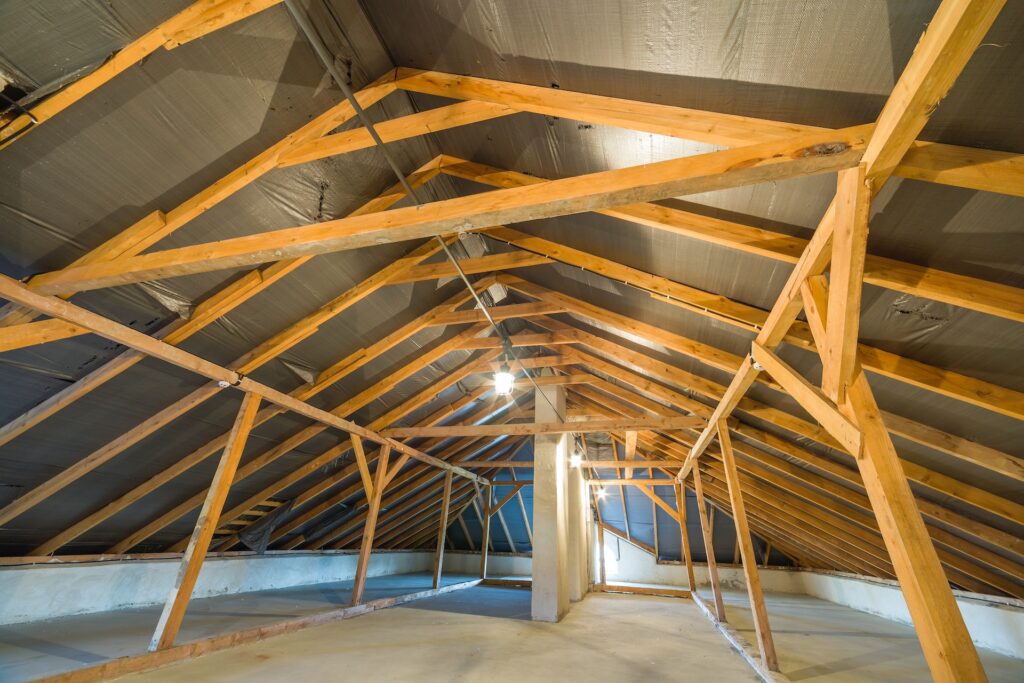
Short answer: Roof rats (Rattus rattus) climb well and prefer high, sheltered spaces. A warm Florida attic offers shelter, privacy, and easy access from trees and rooflines.
Fall adds pressure. Nights cool down, and fruit drops from citrus and palm trees. Rats move toward shelter and food. Hurricane season also leaves behind roof and soffit damage that opens new doors.
What Are the Signs of Rats in Attic Spaces?
Learn the signs of rats in attic areas early. You may notice these:
- Noises at night. Scratching, running, or squeaking above the ceiling.
- Droppings. Rodent droppings in attic corners, along beams, and near entry points. They are dark and shaped like small spindles.
- Greasy rub marks. Dark smears appear along rafters, pipes, and walls.
- Chewed wires or wood. Gnawing can damage wiring and ducts.
- Nests. Shredded insulation, paper, and fabric form a rough nest.
- Strange smells. A musty or ammonia-like odor builds over time.
- Fruit remains. Partly eaten fruit or seeds show up near the house.
Two or more signs call for an inspection.
Why Are Roof Rats a Problem Beyond the Noise?
Rats do more than make noise. They create several risks:
- Fire risk. Chewed wires can spark.
- Health risk. Droppings and urine can carry germs. The hantavirus risk in Florida is considered low, since it is mainly linked to other rodent species. Safe handling still matters.
- Damaged insulation. Rats tunnel through it, flatten it, and soil it.
- Damaged ducts. Chewed ductwork leaks cooled air and raises duct leakage.
- Air quality. Dust and particles can drift into living areas.
How to Get Rid of Roof Rats
Many homeowners ask how to get rid of roof rats. Success depends on doing four jobs in the right order.
- Confirm the activity. An inspector finds where the rats live and travel.
- Remove the rats. Trapping reduces the current population.
- Seal the entry points. This step is called exclusion, and it stops new rats from entering.
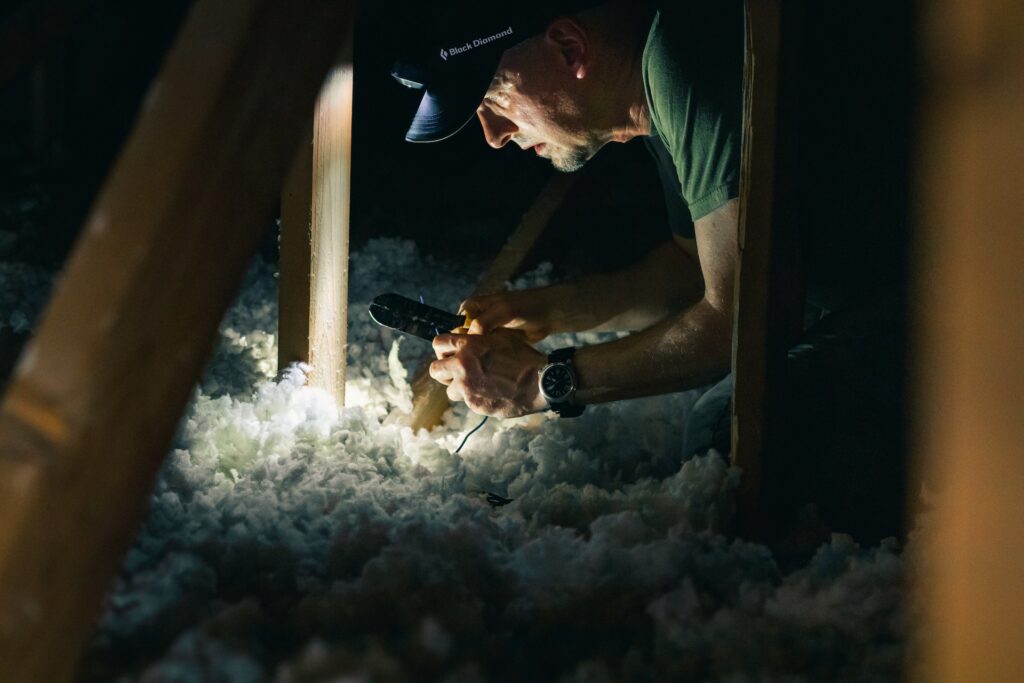
- Clean and restore the attic. Remove contamination and replace damaged insulation.
Many homeowners stop after step two. The rats are gone, but the openings remain. New rats arrive, and the droppings stay in the insulation. A full plan covers all four steps.
Where Do Roof Rats Enter?
Roof rats can squeeze through a gap about the size of a quarter. Check these common entry points:
- The soffit gap where the roof meets the wall
- Roof vents and gable vents with damaged screens
- Gaps around pipes, wires, and AC lines
- Damaged fascia boards and roof edges
- Tree branches that touch or hang over the roof
Trim branches to keep a clear space between trees and your roof. Rats use limbs as bridges.
What Is Rat Proofing for an Attic in Florida?
Rat proofing attic Florida homes means closing every gap that a rat can use. Good exclusion work includes:
- Sealing openings with rodent-resistant materials
- Repairing damaged vents, screens, and soffits
- Covering gaps around pipes and wiring
- Checking the work after completion
Soft sealants alone often fail. Rats chew through them. Durable materials last longer. Learn more about our rodent exclusion and proofing work.
Why Does Attic Rodent Cleanup Matter?
Removing the rats does not remove their mess. Droppings, urine, and nesting material stay behind. They affect air quality and attract new rodents. Insulation soiled by rats loses its ability to slow heat.
Professional attic rodent cleanup follows a safe process:
- Wear protective gear. Workers use masks, gloves, and protective clothing.
- Avoid dry sweeping. Dry sweeping lifts particles into the air.
- Remove contaminated insulation. Soiled material cannot be cleaned effectively.
- Use HEPA cleanup. A HEPA vacuum captures fine particles.
- Sanitize surfaces. Treatment reduces odors and germs.
- Install new insulation. Fresh material restores comfort and efficiency.
Do not try this alone. Small mistakes can spread contamination through your home.
Why Choose All Thermo Insulation?
Pest control services often focus on removing the animals. That work matters. A rat problem also involves entry points, droppings, and damaged insulation. All Thermo Insulation handles exclusion, cleanup, and insulation replacement. You work with one team and receive one clear plan.
Our team explains each step in plain terms. We inspect with care, work cleanly, and finish with a final review.
Act Before Rats Settle In for the Winter
Rats look for shelter now. Each week they stay, the damage grows. Cooler months give them a reason to stay in your attic.
Contact us today to schedule an attic inspection. We will find the entry points, check your insulation, and explain your options.
Roof rats in attic Florida homes do not leave on their own. Seal the openings, clean the attic, and restore your insulation. Your home will be safer, cleaner, and more comfortable this season.