Your house is hot, and your AC runs all day. A new system looks like the obvious fix. In Florida, the real answer to attic insulation vs new AC often starts above your ceiling. All Thermo Insulation helps homeowners find the true cause of a hot house before they spend money on the wrong upgrade. This guide shows how to tell the difference.
Should I Replace My AC or Insulate My Attic?
Short answer: Check the attic first if your AC is less than ten years old and still runs. Weak insulation and leaky ducts cause many hot-house problems. A new unit cannot fix those problems.
Replace the AC first if it is failing, noisy, or past its useful life. Even then, address the attic soon after.
Why Is My House Hot With a New AC?
Many homeowners ask, “Why is my house hot with a new AC?” The answer is usually in the building envelope. The envelope is the shell of your home. It includes the roof, attic, walls, windows, and doors.
Florida summers heat an attic far above the outdoor air. That heat moves down into your living space. Your AC then has to remove it. Engineers call this the cooling load. The heat that raises the air temperature is the sensible load.
A new unit does not reduce that load. It only works against it. When the load stays high, a new HVAC system not cooling the house is a common result.
What an Attic Does to Your Cooling Load
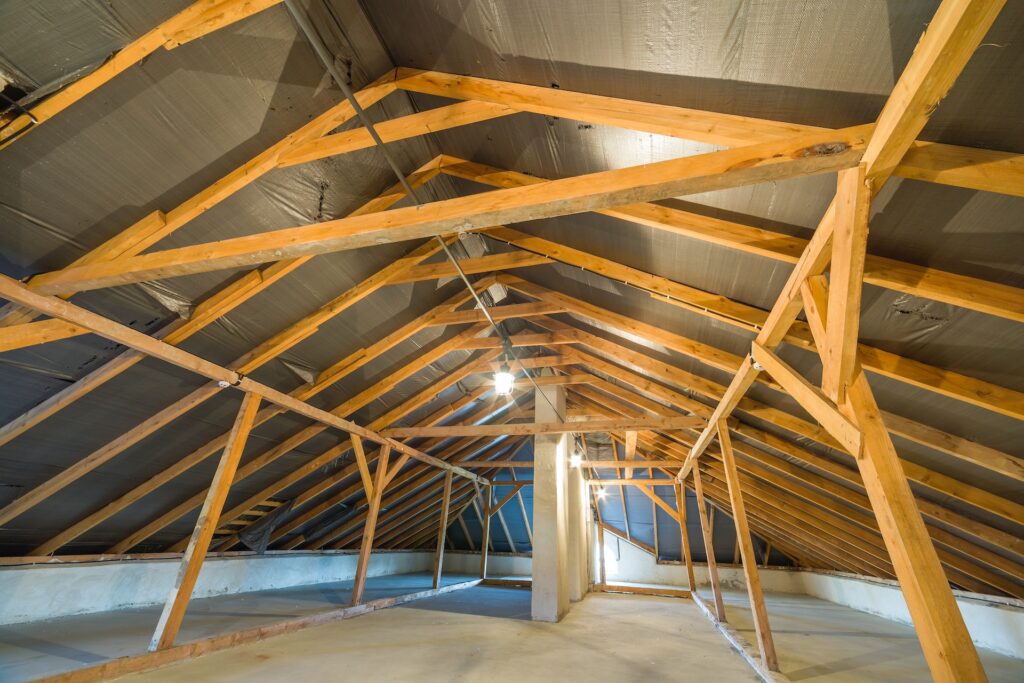
Your attic sits between the hot roof and your ceiling. Insulation slows the heat before it reaches your rooms. Without enough of it, heat pours in all day.
Here is what weak attic insulation can cause:
- Hot upstairs rooms and uneven temperatures
- An AC that runs for long hours
- A high FPL bill, even with a newer system
- Poor humidity control inside the home
Better insulation lowers the cooling load. Your system then works less and lasts longer.
Attic Insulation vs New AC: Side-by-Side
Use this quick comparison.
Attic insulation
- Reduces heat entering your home
- Supports every cooling system you own now or buy later
- Often costs less than a new system
- Improves comfort in every room
New AC unit
- Replaces failing equipment
- Improves system efficiency and reliability
- Does not reduce heat entering through the attic
- Works best in a well-sealed, well-insulated home
Insulation is also cheaper than a new AC in most cases. It often delivers more comfort for the money when the equipment still works.
Why Insulation Before HVAC Replacement Makes Sense
Insulation before HVAC replacement helps you buy the right system. This matters more than most people expect.
Contractors size a system to your home’s load. A poorly insulated home has a high load. A new system sized for that load will be too large once the attic improves. An oversized HVAC unit causes problems:
- Short cycling. The unit turns on and off too often.
- Poor humidity removal. Short runs leave moist air behind.
- Uneven cooling. Some rooms stay warm while others turn cold.
- Faster wear. Frequent starts shorten equipment life.
Insulate first, and the right system size becomes clear. You avoid paying for capacity you do not need.
Do Not Overlook Duct Leakage
Ducts often run through the attic. Leaks there waste cooled air before it reaches your rooms. Duct leakage also pulls hot attic air into your system.
Warning signs of duct trouble include:
- Weak airflow from some vents
- Rooms that never cool down
- Dust around vents
- Ducts that look crushed, torn, or disconnected
Sealing ducts and adding insulation work well together. Both protect the air you already paid to cool.
Signs Your Attic Is the Real Problem
Check these signs before you buy new equipment:
- Your upstairs feels much warmer than your downstairs.
- The AC runs nearly nonstop on warm afternoons.
- Your ceiling feels warm to the touch.
- Your attic insulation looks thin, flat, or damaged.
- Your cooling bills rose even after a system upgrade.
Two or more signs point to an attic problem. An inspection can confirm it.
Why Fall Is the Right Time to Act
October still brings warm days in Florida. Hurricane season ends in November. Attic temperatures are lower now, so crews can work in better conditions.
Acting this season has clear benefits:
- You find storm damage and leaks before they spread.
- You prepare your home before the next summer heat.
- You can plan any AC replacement with accurate information.
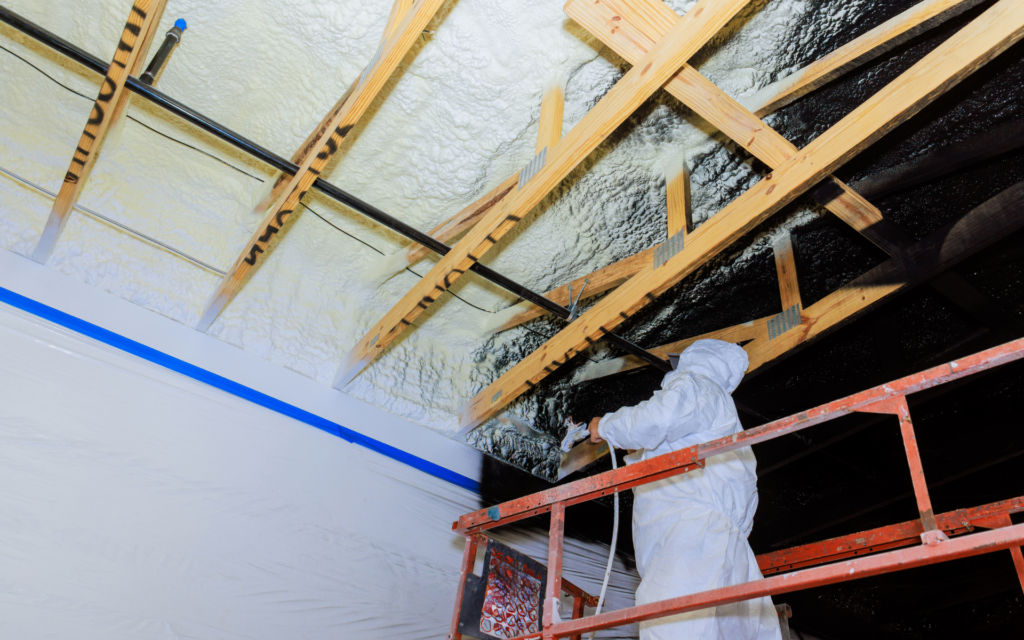
Learn what we install on our insulation services page.
What Happens During an Attic Check?
A trained inspector reviews your home in clear steps:
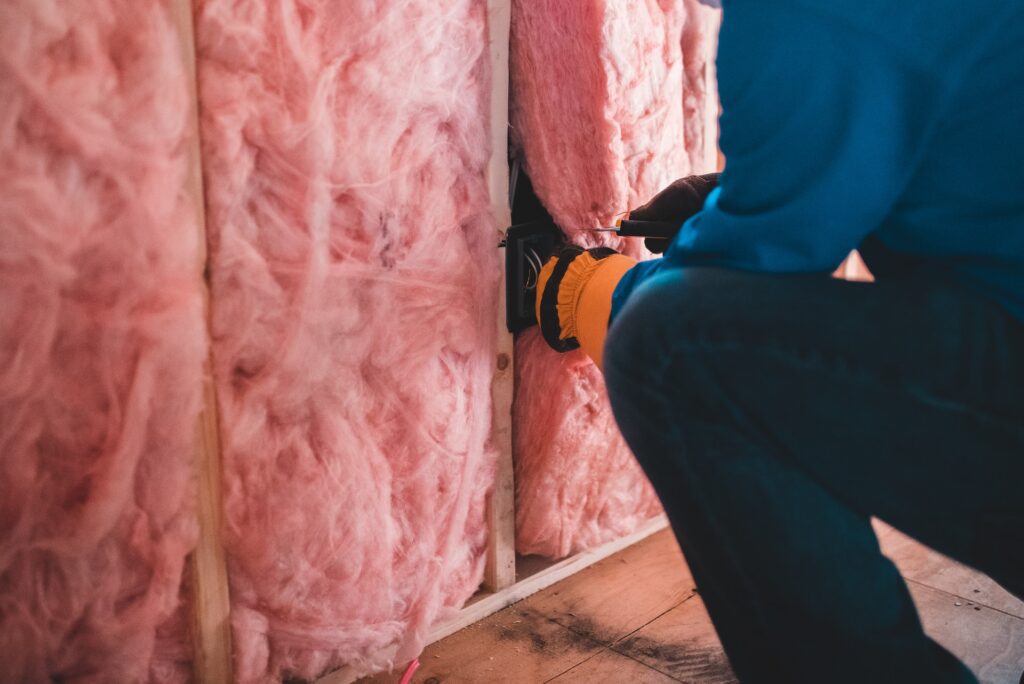
- Measure insulation depth and condition
- Look for gaps, moisture, and pest damage
- Check ducts for leaks and damage
- Find air leaks around vents, pipes, and wiring
- Explain your options in plain terms
You then know whether insulation, ducts, or equipment deserves attention first. All Thermo Insulation gives honest advice, even when your AC is the main problem.
Find the Real Cause Before You Replace Anything
Replacing an AC is a big decision. A quick attic check can save you from an expensive mistake. It can also bring the comfort you wanted from the start.
Reach out today to schedule an attic inspection with our team. We will check your insulation and ducts, explain what we find, and recommend only what your home needs.
The choice of attic insulation vs new AC does not have to be a guess. Start with the attic, fix what is draining your cooling, and enjoy a cooler Florida home next summer.