
Florida summers bring intense, sweltering heat. The sun beats down on your roof, turning your attic into an oven. This heat pushes down into your living spaces, making your air conditioner work overtime and leaving you uncomfortable. You do not have to suffer through another sticky season. A simple upgrade can change everything: reflective insulation.
Understanding how heat moves is the first step to a cooler home. Standard insulation works by slowing down heat that travels through solid objects (conduction) or through the air (convection). Reflective insulation works differently. It targets radiant heat—the heat that travels in invisible waves from the sun to your roof, and then across your attic space.
Let’s look at exactly how this material blocks the sun and lowers your attic temperature, providing immediate relief from the Florida heat.
The Problem: Radiant Heat in Florida Attics
Imagine wearing a dark shirt on a bright, sunny Florida afternoon. You feel the heat immediately. Your roof acts exactly the same way.
- The Sun’s Rays Hit the Roof: The sun radiates intense heat downward.
- The Roof Absorbs Heat: Roof materials, especially darker colors, soak up this radiant energy.
- The Attic Becomes a Furnace: The underside of the roof gets incredibly hot. It then radiates that heat downward, across the empty attic space.
- Heat Enters Your Living Space: This radiant heat strikes the top of your ceiling insulation. Over time, that standard insulation gets hot, and the heat eventually seeps down into your cool living areas.
In the middle of summer, a Florida attic can easily reach temperatures far exceeding outside levels. This trapped heat is the enemy of home comfort.
The Solution: Blocking Radiant Heat
This is where All Thermo Insulation recommends a different approach. Standard fiberglass or cellulose insulation is essential, but it mostly slows down heat transfer; it does not stop radiant heat from crossing the attic space.
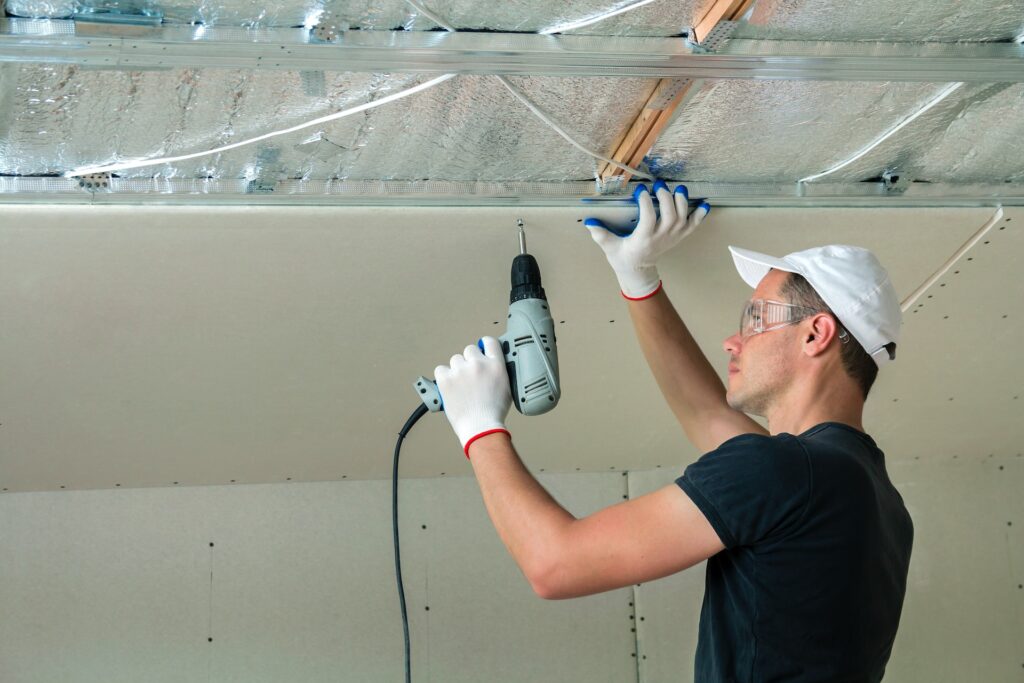
Reflective insulation solves this specific problem. It is typically made of highly reflective aluminum foil bonded to a strong backing material, like kraft paper or plastic film. Sometimes, it is wrapped around bubble wrap for added structure.
Here is how it cools your home:
- It Reflects Heat Away: Instead of absorbing the sun’s energy like your roof deck, the shiny surface bounces radiant heat away. It acts like a mirror for heat waves.
- It Blocks Downward Heat Transfer: When installed properly beneath the roof, it stops the hot roof from radiating heat downward into the attic space.
- It Lowers Attic Temperatures: By stopping that radiant transfer, the air inside your attic stays much cooler.
When your attic is cooler, your entire house stays cooler. Your standard insulation has less work to do because the heat pressing down on it is significantly reduced.
Key Benefits for Florida Homeowners
Adding this radiant barrier to your home provides several distinct advantages, particularly as we enter the hottest months of the year.
1. Noticeably Cooler Living Spaces
The most immediate benefit is comfort. By stopping heat before it enters your home, your living areas feel cooler and more consistent. Rooms directly beneath the attic, which often feel stuffy in the afternoon, will become more comfortable.
2. Reduced Strain on Your HVAC System
When your attic is cooler, less heat seeps into your home. This means your air conditioning unit does not have to run as frequently or as long to maintain a comfortable temperature.
3. Increased Energy Savings
Less work for your AC unit translates directly to lower energy bills. During a long Florida summer, the savings from a cooler attic can add up quickly.
4. Extended AC Lifespan
Because your air conditioner runs less often, the internal components experience less wear and tear. This can help delay costly repairs or the need for an early replacement of your HVAC system.
How We Install Reflective Insulation
To get these benefits, the material must be placed correctly. A shiny surface only reflects heat if it faces an open airspace. If it touches another solid object, the heat will simply conduct right through it.
Here is a standard overview of how professional insulation services handle the installation:
- Attic Inspection: We start by examining your attic space to check current insulation levels, ventilation, and access points.
- Choosing the Placement: We typically staple the material to the bottom of the roof rafters.
- Creating the Airspace: We ensure the reflective side faces down into the open attic space. This crucial step allows the material to block radiant heat effectively.
- Securing the Material: We use heavy-duty staples to attach the barrier securely, making sure it covers the entire underside of the roof.
- Maintaining Ventilation: We carefully avoid covering any soffit or ridge vents. Proper airflow is still necessary to remove moisture from the attic.
This process is relatively straightforward for professionals but doing it yourself can be difficult in a cramped, hot attic.
Preparing for the Summer Heat
As summer approaches, the sun’s intensity will only increase. Taking action now prevents your home from turning into a hotbox.
You need a complete strategy to keep the heat out. While thick layers of standard insulation are important for keeping cooled air inside, they are not enough on their own to fight the Florida sun.
Combining your existing setup with a radiant barrier creates a strong defense against all types of heat transfer. You tackle conduction, convection, and radiation all at once. This dual approach is the most effective way to maintain a comfortable indoor climate.
Do not wait until the middle of July to realize your attic is too hot. Taking steps before the peak heat arrives guarantees your home stays comfortable throughout the entire season.
Ready to make your home comfortable again? Getting started is easy. If you are tired of battling the heat and want to explore if reflective insulation is right for your Florida home, reach out to our team. Contact All Thermo Insulation today to schedule a consultation and take the first step toward a cooler summer.