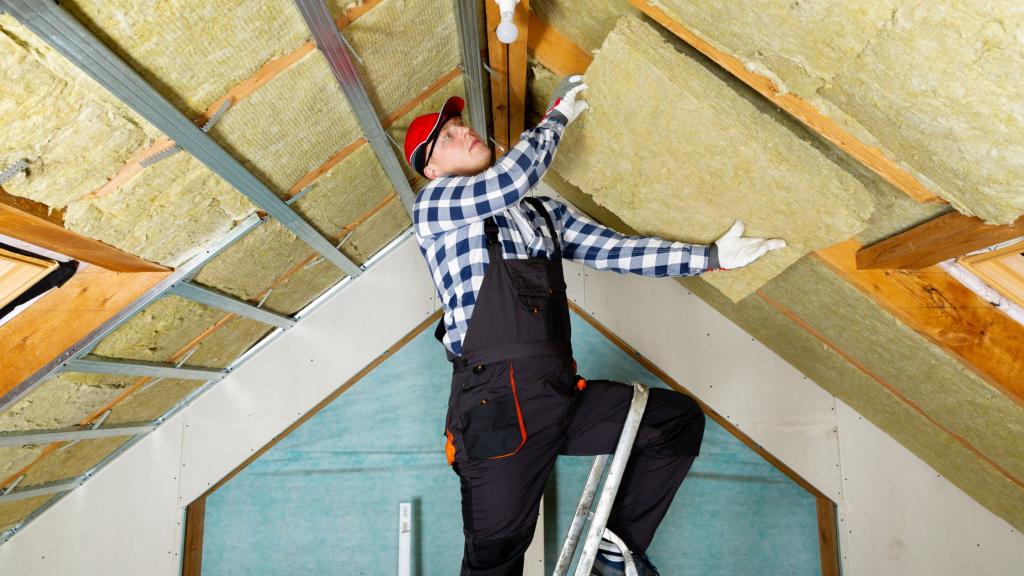
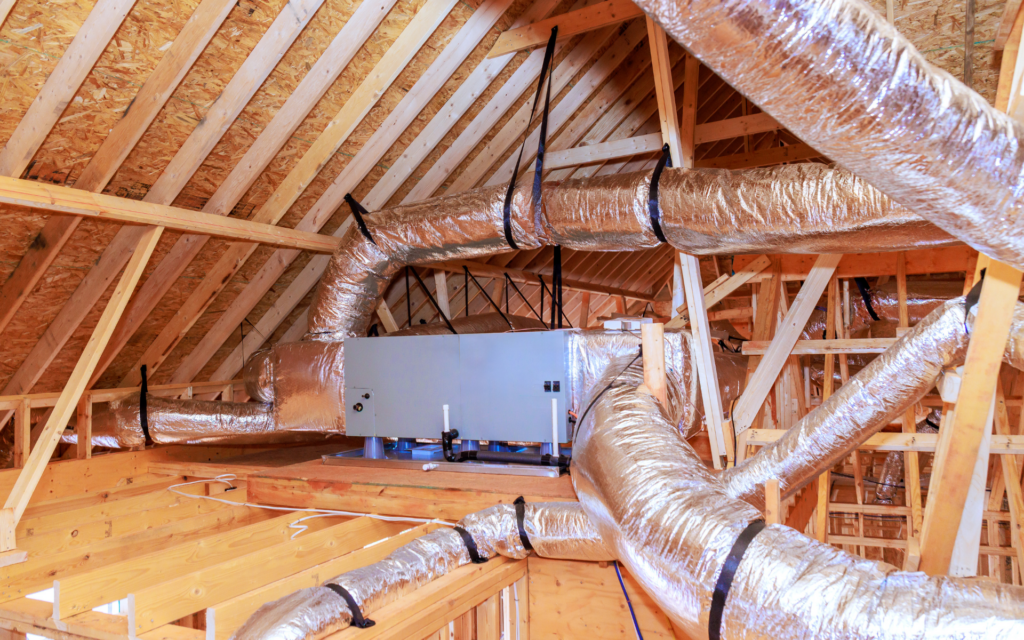
Florida homes face a daily battle against heat and humidity that most homeowners never fully see. The fight happens inside your walls, above your ceiling, and especially inside your attic where your air ducts quietly lose the cool air your system works so hard to produce. Ductwork sealing is the process of closing every gap, crack, and loose joint in your duct system so that conditioned air reaches the rooms where it belongs instead of escaping into the attic. For Florida homeowners, this is not optional maintenance. It is one of the most direct ways to reduce energy waste, control indoor moisture, and protect the long-term performance of your HVAC system. All Thermo Insulation has worked with Florida homeowners across the state who were unknowingly losing a significant portion of their cooled air every single day and this guide explains exactly what you need to know to stop that loss.
Why Air Ducts Develop Leaks in the First Place
Duct leaks are not usually the result of a single dramatic event. They develop gradually, driven by the same conditions that make Florida living so demanding on building systems.
The primary causes of duct leaks in Florida homes:
- Thermal expansion and contraction Florida attics swing from extreme heat during the day to cooler temperatures at night. Ducts expand and contract with every cycle. Over years, this movement causes seals and joints to loosen and crack.
- Age of materials Foil tape, the most common duct sealing material used in older installations, dries out and loses adhesion over time. Most foil tape begins failing between 5 and 10 years of installation.
- Humidity degradation Florida’s sustained moisture load breaks down both insulation wrapping and sealant materials faster than in drier climates.
- Physical damage Pest activity, HVAC maintenance work, and the natural settling of the home can dislodge duct connections or puncture duct material.
- Poor original installation Many older Florida homes were built with ducts that were never properly sealed from the start. Joints were taped rather than sealed with mastic, and connections were left loose at registers and air handlers.
Each of these issues creates a pathway for conditioned air to escape and for hot, humid attic air to enter.
What Ductwork Sealing Actually Involves
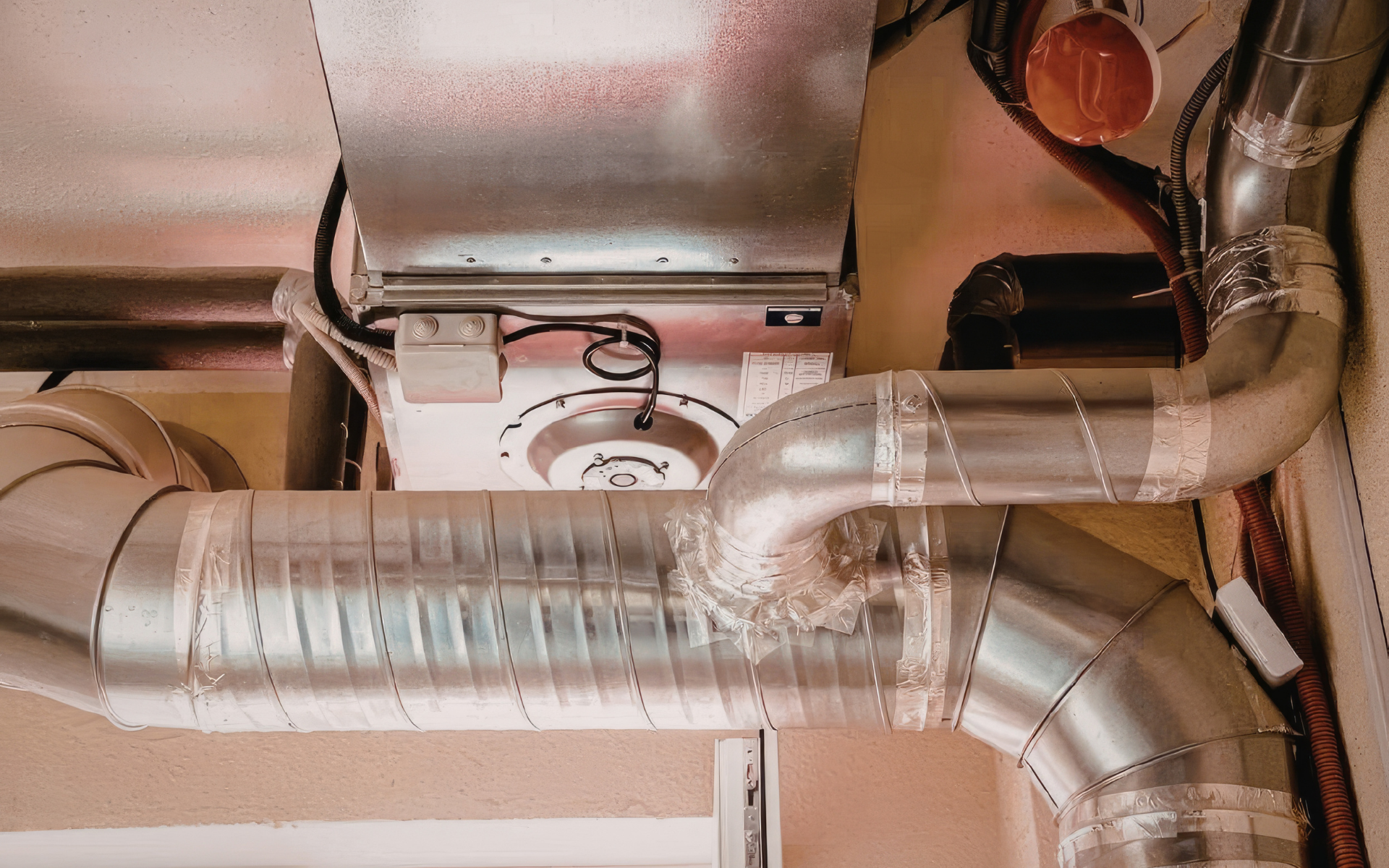
Ductwork sealing is a multi-step process. It is not as simple as wrapping tape around a visible joint. A thorough sealing job addresses the entire duct system from the air handler to every supply and return register in the home.
The professional ductwork sealing process includes:
- Duct system inspection A technician assesses every accessible section of the duct system, looking for disconnected sections, visible gaps, damaged insulation, and pressure imbalances.
- Blower door or duct blaster testing Pressurized testing equipment measures exactly how much air the duct system is losing and identifies the specific locations of leaks.
- Mastic sealant application Mastic is a water-based, paste-like compound that is brushed onto every joint, seam, and connection. Unlike tape, mastic remains flexible after curing and creates a durable seal that holds up to Florida’s thermal cycling.
- Foil tape reinforcement At larger gaps or on rigid metal ductwork, UL-listed foil tape is applied over mastic for additional reinforcement.
- Insulation repair or replacement Where duct insulation has been damaged or saturated, it is repaired or replaced as part of the sealing project.
- Post-sealing verification Testing is repeated after sealing to confirm the leakage rate has been reduced to acceptable levels.
This is not a process that should be rushed or abbreviated. A partial sealing job leaves pathways for air loss that can negate much of the benefit.
The Real Cost of Unsealed Ducts in a Florida Home
Duct leakage is not just a comfort issue. It has measurable financial and health consequences that compound over time.
Energy loss:
- The U.S. Department of Energy estimates that homes lose 20% to 30% of conditioned air through duct leaks
- In Florida’s long cooling season, that loss translates into significant excess energy consumption every month
- The AC system compensates by running longer cycles, which increases electricity usage directly
HVAC system strain:
- Longer run times accelerate wear on the compressor, air handler, and blower motor
- Systems that work against leaky ducts reach the end of their service life sooner
- Repair costs increase as components wear prematurely
Indoor humidity and air quality:
- Leaky ducts pull in attic air that carries dust, insulation fibers, mold spores, and other contaminants
- The AC’s dehumidification function is undermined when humid attic air continuously enters the supply side
- Poor indoor air quality affects respiratory health, particularly for children, elderly residents, and anyone with allergies or asthma
Explore what a full professional duct sealing and service assessment includes and how it addresses each of these problems.
How Ductwork Sealing Controls Moisture in Florida Homes
Moisture management is where ductwork sealing delivers one of its most underappreciated benefits especially in Florida.
When ducts leak, two moisture problems occur simultaneously:
Problem 1 Humid air enters the duct system. Attic air in Florida is saturated with moisture. When leaks allow that air into the supply side of the duct system, it enters the home as conditioned air. The AC cannot dehumidify it fast enough. Indoor humidity stays elevated. The home feels uncomfortable even at a low thermostat setting.
Problem 2 Cool duct surfaces attract condensation. Cool air traveling through ducts creates cold surfaces. In a humid Florida attic, warm moist air meets those cold surfaces and forms condensation both on the exterior of ducts and, in some cases, inside them. That moisture saturates insulation, promotes mold growth, and accelerates physical deterioration of the duct material.
Proper ductwork sealing addresses both problems:
- Closed joints stop humid attic air from entering the supply stream
- Sealed and properly insulated ducts maintain a consistent surface temperature that reduces condensation formation
- Lower indoor humidity means the AC dehumidifies more effectively, even during peak summer conditions
Mastic vs. Tape: Why the Sealing Material Matters
Not all ductwork sealing materials perform equally in Florida’s climate. The choice between mastic sealant and standard foil tape makes a significant difference in how long the seal holds.
Foil tape (standard):
- Adheres quickly and is easy to apply
- Dries out and loses adhesion in 5 to 10 years under Florida heat
- Not recommended as a standalone sealing solution for attic duct systems
Mastic sealant:
- A paste-like compound brushed onto joints and seams
- Remains flexible after curing accommodates thermal expansion without cracking
- Rated for long-term use in high-temperature environments
- The preferred material for Florida duct sealing projects
Aeroseal (duct sealing from the inside):
- A newer process where sealant particles are injected into the duct system under pressure
- Particles adhere to and seal leaks from the interior, including those that are inaccessible from the outside
- Particularly useful for duct systems where attic access is limited or where exterior sealing alone cannot address all leaks
A qualified contractor will recommend the right combination of materials based on your specific duct system, attic conditions, and the age of the existing installation.
Long-Term HVAC Performance and Ductwork Sealing
The connection between ductwork sealing and HVAC longevity is direct. Every component of your cooling system performs better when the duct system it serves is properly sealed.
How sealed ducts improve long-term HVAC performance:
- Shorter run cycles The AC reaches the target temperature faster when cool air is not escaping. Shorter cycles mean less mechanical wear on every component.
- Reduced compressor load The compressor is the most expensive component of the AC system. It runs under less strain when the duct system delivers air efficiently.
- Consistent airflow Sealed ducts maintain design airflow to every room. The system operates within its intended parameters rather than compensating for losses.
- Better dehumidification An AC system running at the correct load removes moisture from the air more effectively than one that is overworked and short-cycling.
- Extended equipment life HVAC systems in homes with well-sealed ducts consistently outlast those in homes with significant duct leakage.
Florida’s cooling season is 9 to 10 months long. That extended demand makes every efficiency gain from proper sealing more valuable than it would be in a moderate climate.
Signs Your Florida Home Needs Ductwork Sealing Now
Many homeowners do not realize their ducts are leaking because the symptoms develop gradually. By the time the problem is obvious, years of energy waste and wear have already occurred.
Watch for these signs:
- Rooms that never reach the set temperature despite long AC run times
- Electricity bills that increase year over year without a change in usage habits
- A persistent musty or stale smell when the AC turns on
- Indoor air that feels thick or humid even at a low thermostat setting
- Dust that returns to surfaces within days of cleaning
- Audible hissing or whistling sounds near registers or in the attic
- Visible gaps, sagging, or disconnected sections in accessible duct runs
Any one of these signs warrants a professional inspection. Two or more together indicate that ductwork sealing is likely needed immediately.
Why Florida Homes Require a Climate-Specific Approach
Generic duct sealing procedures developed for moderate climates do not account for what Florida homes face. A proper sealing project in this state requires:
- Material selection rated for sustained high heat Mastic and insulation must hold up to attic temperatures that regularly exceed 140°F
- Moisture-resistant insulation repair Any insulation replaced during the sealing project should be appropriate for Florida’s humidity levels
- Vapor barrier consideration In some cases, vapor control measures are incorporated alongside sealing to prevent condensation from reforming on duct exteriors
- Attic air sealing integration Sealing the ducts works best when the attic itself is also addressed for air infiltration, particularly at the attic hatch, top plates, and around penetrations
A contractor who understands Florida’s building science brings all of these considerations to the project. One who does not may produce a result that holds for a season before the same problems reappear.
Protect Your Home Before the Next Summer
Florida’s heat does not ease up, and neither does its demand on your HVAC system. A duct system with unsealed leaks will cost you more every month, wear out your equipment faster, and make your home less comfortable and healthy to live in.
Ductwork sealing is one of the highest-return investments a Florida homeowner can make. It reduces energy waste, improves air quality, controls indoor humidity, and extends the life of the entire HVAC system all from a single project.
The team at All Thermo Insulation knows Florida’s climate inside and out. Every ductwork sealing project is approached with the materials, methods, and attention to detail that this state’s conditions demand. Do not let another summer pass while your cool air disappears into the attic. Contact All Thermo Insulation today to schedule your duct inspection and find out exactly what your home needs to stay cool, dry, and efficient all year long.