
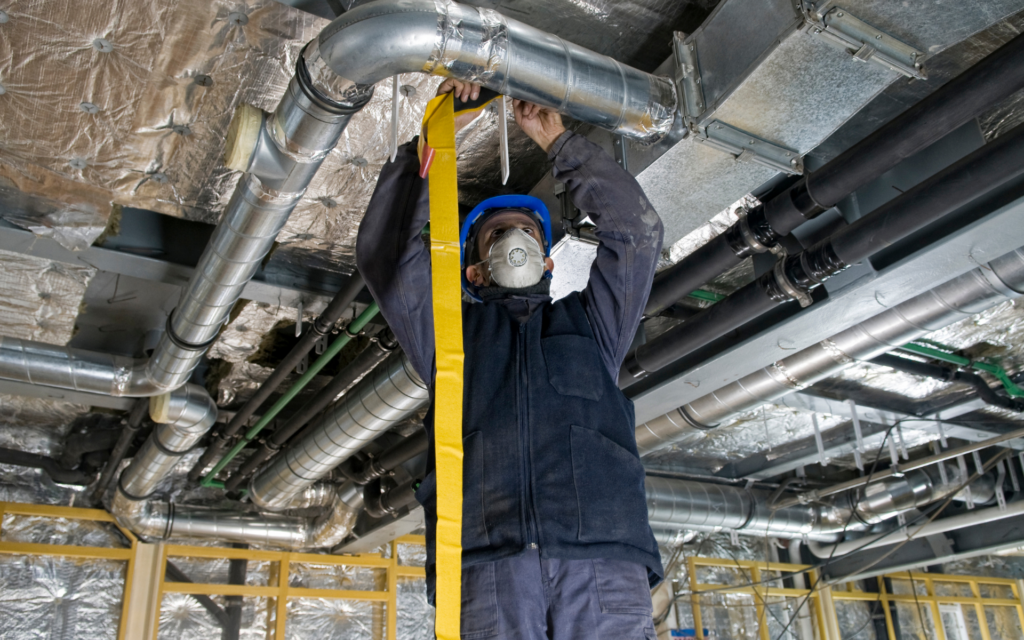
Florida summers are not forgiving. Temperatures climb past 90°F. Humidity settles in like a permanent house guest. And your air conditioning runs almost without a break from May through October. If your duct system is already struggling, the peak summer months will push it over the edge. Ductwork replacement is one of the smartest investments a Florida homeowner can make before summer arrives and these 8 signs tell you exactly when the time is right. All Thermo Insulation has helped Florida homeowners catch failing duct systems before they turn into full-blown emergencies. Here is what to watch for in your own home.
Why Summer Is the Worst Time to Have Failing Ducts
Before getting into the signs, it helps to understand why Florida’s summer is so brutal on duct systems.
Your ducts live in the attic. In summer, that attic can reach:
- 140°F to 160°F on a typical sunny Florida afternoon
- Sustained heat for 5 to 7 months out of the year
- Humidity levels that stay elevated even overnight
Old or damaged ducts absorb that heat. They leak cool air. They pull in moisture. They distribute contaminated air through your home. The longer you wait to address the problem, the harder your AC unit has to work and the higher your electricity bill climbs.
8 Signs You Need a Ductwork Replacement This Summer
1. Some Rooms Are Noticeably Hotter Than Others
Does one bedroom always feel warmer than the rest of the house? Do certain areas stay stuffy no matter how low you set the thermostat?
Uneven cooling is one of the most common signs of duct failure. When ducts develop leaks, collapse internally, or lose their insulation, airflow becomes inconsistent. The rooms farthest from the air handler or those served by the most damaged duct runs get the least cool air.
What causes uneven cooling:
- Leaks in the duct runs serving specific rooms
- Collapsed or crushed flex duct restricting airflow
- Disconnected duct sections in the attic
- Undersized or deteriorated duct branches
Uneven comfort throughout the home is rarely a thermostat problem. It almost always points back to the duct system.
2. Your Energy Bills Keep Climbing Without Explanation
Have you noticed your electricity bills creeping up year over year even though your usage habits have not changed?
Duct leakage is a major driver of energy waste in Florida homes. The U.S. Department of Energy estimates that homes lose 20% to 30% of conditioned air through leaky ducts. In Florida’s climate, older systems often exceed that range.
Every bit of cool air that escapes into the attic instead of reaching your living space is money lost. Your AC compensates by running longer cycles. Longer cycles mean higher utility bills. And the cycle repeats every single day of summer.
A ductwork replacement addresses the root cause rather than masking the symptom with a thermostat adjustment.
3. You Smell Something Musty When the AC Runs
A musty or stale odor the moment your air conditioning turns on is a serious warning sign. That smell almost always means one thing: moisture has found its way into your duct system, and biological growth has followed.
Florida’s humidity creates ideal conditions for mold and mildew inside air ducts. Once mold takes hold inside the duct lining or insulation, it circulates spores through your home with every cooling cycle.
Signs mold may be present in your ducts:
- Musty odor that disappears when AC is off
- Visible dark spots or discoloration around vent registers
- Family members experiencing increased allergy or respiratory symptoms
- Worsening air quality despite regular filter changes
Duct cleaning can remove surface contamination, but when mold has penetrated the duct material or insulation, full ductwork replacement is the only way to eliminate the problem at its source.
4. Your Ducts Are More Than 15 Years Old
Age alone is a legitimate reason to schedule an inspection. Flex ductwork, the most common type used in Florida residential construction, is generally rated for 10 to 25 years under standard conditions. Florida’s conditions are anything but standard.
Sustained attic heat, repeated thermal cycling, and high humidity wear out duct materials faster than the manufacturer ratings suggest. A duct system installed in 2005 or earlier has already been through:
- Dozens of hurricane seasons with pressure and wind stress
- Thousands of thermal expansion and contraction cycles
- Years of humidity exposure that gradually degrades insulation and seals
An aging duct system is not just less efficient. It is often structurally fragile. The insulation may look intact from the outside while being completely saturated and useless on the inside.
Explore what a full AC ductwork service inspection covers if your system is approaching or past the 15-year mark.
5. Dust Builds Up Quickly No Matter How Often You Clean
If you are constantly wiping dust off surfaces and it keeps coming back within days your duct system may be pulling in contaminants and distributing them throughout the home.
Leaky ducts create a pressure imbalance. The system draws in air from wherever it can find it, including the attic. That attic air carries:
- Fiberglass insulation particles
- Pest debris and droppings
- Dust and particulate matter
- Mold spores and allergens
Once those contaminants enter the duct system, they travel to every room in the house. No amount of cleaning surfaces will solve the problem if the duct system keeps reintroducing the particles.
The connection between dirty air and failing ducts is direct. A new, properly sealed duct system stops the intrusion at its source.
6. Your AC Unit Runs Constantly but Never Fully Cools the Home
An air conditioning unit that runs for hours without reaching the set temperature is working against a losing battle. In many cases, the unit itself is not the problem the duct system is.
When ducts leak heavily, the AC pushes air into the attic rather than into the living space. The thermostat never reads the target temperature because the conditioned air never arrives. The system keeps running. The home stays warm. And the AC unit ages prematurely from the continuous overload.
This is one of the most expensive duct problems to ignore. Every month of delay means:
- Higher electricity costs
- Increased wear on the compressor and air handler
- A shorter overall lifespan for the entire HVAC system
Ductwork replacement in this scenario protects not only your comfort but also your investment in the AC equipment itself.
7. You Can Hear Air Escaping from the Duct System
Properly sealed ducts are quiet. If you hear hissing, whistling, or rattling sounds from your attic or near vent registers, air is escaping where it should not be.
Common sources of audible duct leaks include:
- Loose or separated flex duct connections
- Cracked mastic sealant at joints and branches
- Peeled foil tape at supply and return connections
- Holes worn through the outer duct jacket from pest activity or physical damage
These sounds are easy to dismiss as normal house noise. They are not. Each noise is a pressure point where conditioned air is bleeding out and attic air is finding its way in.
8. Indoor Humidity Stays High Even with the AC Running
Your air conditioning system does two jobs: it cools the air and it removes moisture. When the duct system is compromised, the dehumidification function suffers.
Leaky ducts allow warm, humid attic air to enter the supply side of the system. That humid air counteracts the dehumidification the AC is attempting to perform. The result is a home that feels clammy and uncomfortable even at a reasonable thermostat setting.
Signs of excess indoor humidity related to duct failure:
- Condensation on windows or interior surfaces
- A persistent feeling of heaviness or stickiness in the air
- Increased mold growth in bathrooms or closets
- Peeling paint or wallpaper near interior walls
High indoor humidity is not just a comfort issue. Over time, it damages walls, flooring, furniture, and building materials throughout the home.
What Makes Florida Ductwork Replacement Different
Florida is not an average climate. Any contractor performing a ductwork replacement in this state needs to account for:
- Climate zone requirements Florida calls for higher R-value duct insulation than many other states
- Attic conditions Replacement ducts must be rated for sustained high-temperature exposure
- Moisture management Proper sealing and vapor barriers reduce condensation risk
- Building movement Flex duct connections must be secured to withstand Florida’s soil shifting and wind events
- Cooling load calculations Duct sizing must match the actual demands of a Florida home in summer
A generic installation will not hold up. The materials, methods, and design must be matched to Florida’s specific conditions.
Act Before the Summer Heat Makes It Worse
Each of these 8 signs is a warning your duct system sends before it fails completely. And in Florida, a full duct failure during peak summer is not just an inconvenience, it is a health and safety issue for families, elderly residents, and anyone with respiratory conditions.
Ductwork replacement done before summer arrives means:
- Your home cools evenly from day one of the hot season
- Your AC does not spend months fighting a losing battle
- Your energy bills reflect an efficient system rather than an inefficient one
- Your indoor air quality is clean and free of attic contaminants
- Your AC unit has the support it needs to last its full lifespan
Do not wait until a repair technician delivers bad news in August. Contact All Thermo Insulation today to schedule your duct inspection before Florida’s summer peaks. The team knows exactly what Florida homes need and exactly how to build a duct system that holds up against the heat, the humidity, and everything this climate brings.