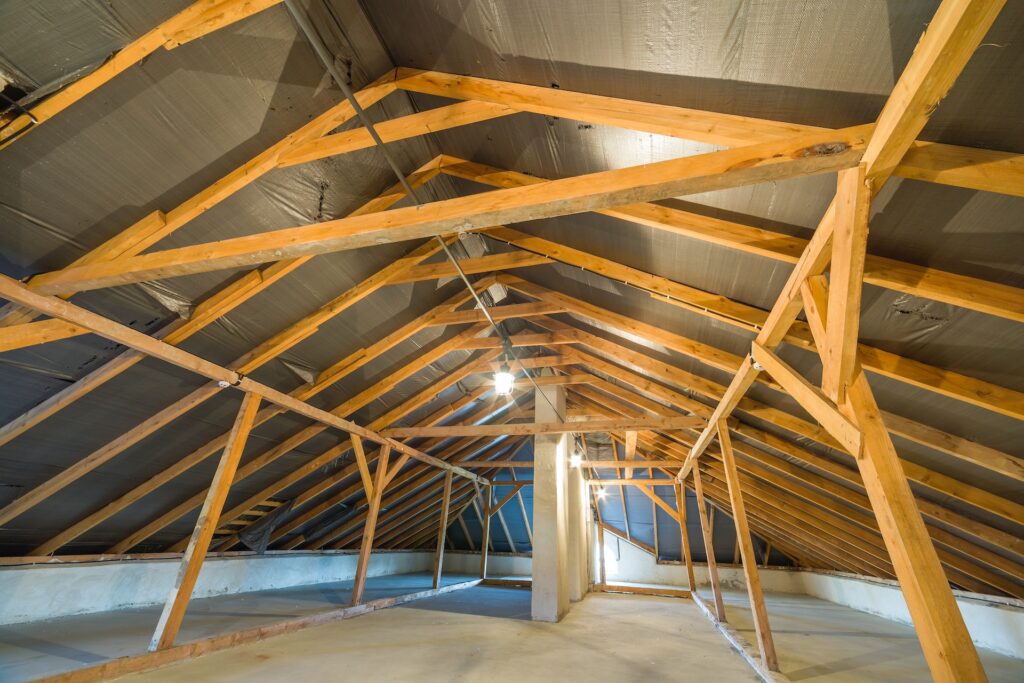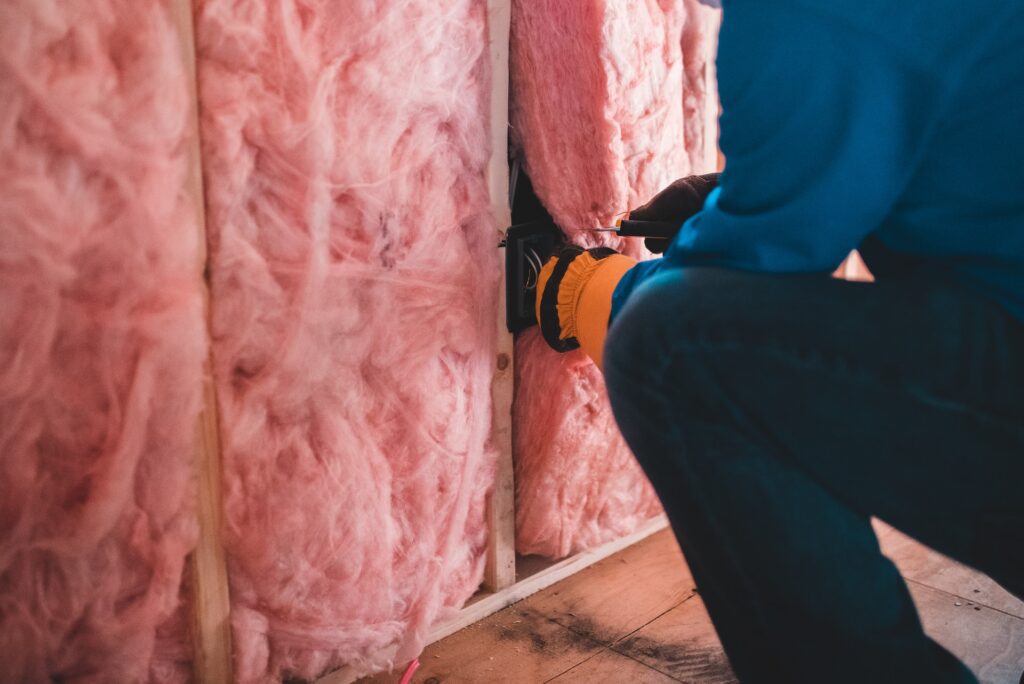

Your attic works hard every day in Florida. Heat builds up there, and humidity follows. Over time, insulation wears down. Knowing the signs you need new attic insulation helps you act before comfort and energy use suffer. All Thermo Insulation created this guide to help Florida homeowners check their attics with confidence.
How Long Does Attic Insulation Last?
Short answer: Most attic insulation lasts about 15 to 25 years. Florida heat, moisture, and pests can shorten that time.
The attic insulation lifespan depends on the material, the installation, and the conditions in your attic. Insulation does not vanish. It loses its ability to slow heat flow. That loss is called R-value loss. Your home feels the difference first.
9 Signs You Need New Attic Insulation
Many homeowners ask, “How do I know if my insulation is bad?” Look for these nine signs.
- A high FPL bill. Your cooling costs climb, but your habits stay the same. Worn insulation lets heat reach your living space. Your AC runs longer to keep up.
- Uneven room temperature. One room feels warm while another feels cool. Rooms below the attic often suffer most. Thin or damaged insulation is a common cause.
- Settling and compression. Insulation should look full and fluffy. Over time, it flattens under its own weight. Flat insulation holds less air, and trapped air is what slows heat.
- Visible gaps and bare spots. Look for areas where the floor joists show through. Gaps let heat pass straight into your home. Workers and pests can disturb insulation and leave these spots behind.
- Moisture and dampness. Wet insulation loses much of its value. Florida humidity and roof leaks can cause this. Damp insulation may also feel heavy or look dark.
- Mold or musty smells. A stale smell in the attic or upper rooms points to a moisture problem. Mold can grow on damp insulation and nearby wood. This is one of the more serious old attic insulation problems.
- Pest contamination. Rodents, insects, and birds nest in insulation. They leave droppings, tunnels, and chewed areas. Contamination affects both performance and indoor air quality.
- Rising indoor dust or allergy symptoms. Aging insulation can break down. Small particles may drift into living areas through gaps and vents. Family members may notice more sneezing or irritation.
- An old home or an old installation. You may not know when the insulation went in. If the home is more than two decades old, a check is wise. Older homes may also have less insulation than current standards suggest.
When Should You Replace Attic Insulation?
Many homeowners wonder, “Should I replace my insulation?” Use this simple guide.
- Replace it if you see moisture, mold, or heavy pest damage.
- Replace it if it is flat, thin, or full of gaps.
- Add more if it looks healthy but sits too low in the attic.
- Check it if your bills rise or your rooms feel uneven.
Insulation in good shape may only need a top-up. Damaged insulation needs removal first. Adding new material over wet or contaminated insulation traps the problem underneath.
Why Fall Is a Smart Time to Check Your Attic
Hurricane season ends in November. Cooler weather also arrives across much of Florida. Attic temperatures are lower now, so inspections and installations are more comfortable for everyone.
Acting this season has clear benefits:
- You can fix leaks and damage found after summer storms.
- You enter the cooler months with a home that holds steady temperatures.
- You prepare for next summer before the heat returns.
Many homeowners also pair insulation work with air sealing. Sealing small gaps around vents, pipes, and wiring keeps cooled air inside. You can learn more on our insulation services page.
What Happens During an Attic Inspection?
A trained inspector looks at several things. Here is a typical visit:
- Check the depth. The inspector measures how much insulation covers the attic floor.
- Look for damage. The inspector searches for moisture, mold, and pest signs.
- Find air leaks. Gaps around fixtures and penetrations are noted.
- Review the options. You receive a clear plan with no pressure.
The visit gives you facts. You then decide what is right for your home and your family.
Why Choose All Thermo Insulation?
Florida attics are tough on materials. All Thermo Insulation understands local heat, humidity, and building needs. Our team explains each step in plain terms. We remove damaged material when needed. We install new insulation with care and clean up when the work is done.
You deserve clear answers. You deserve a comfortable home. A quick attic check gives you both.
Get Your Attic Checked Before Summer Returns
Do you see any of the signs above? Do your rooms feel uneven, or does your FPL bill keep rising? Do not wait for the next heat wave to find out.
Get started today and schedule an attic inspection with our team. We will check your insulation, explain what we find, and recommend only what your home needs.
The signs you need new attic insulation are easy to spot once you know them. Check your attic this fall, act early, and enjoy a cooler, quieter, more comfortable home all year.