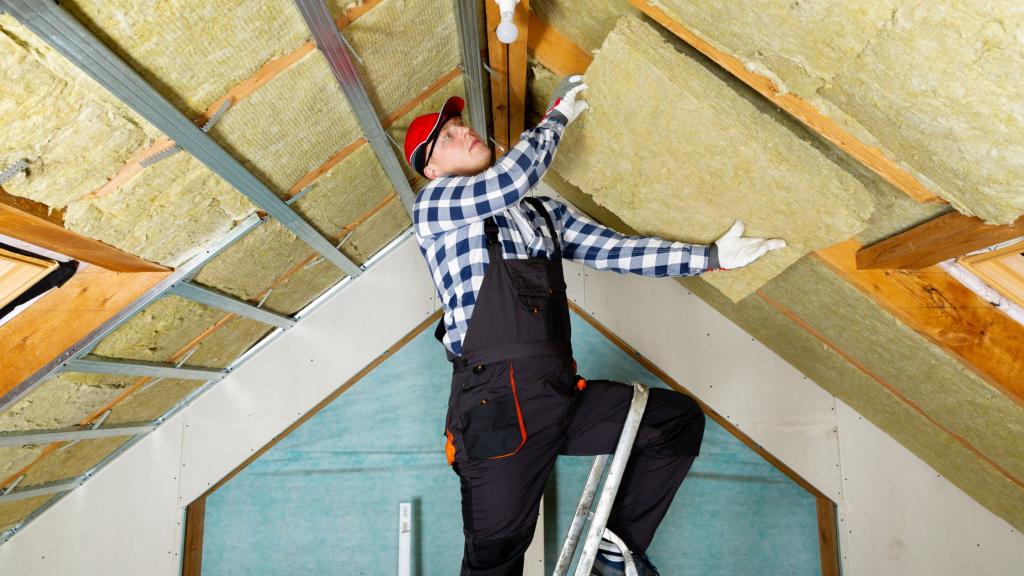
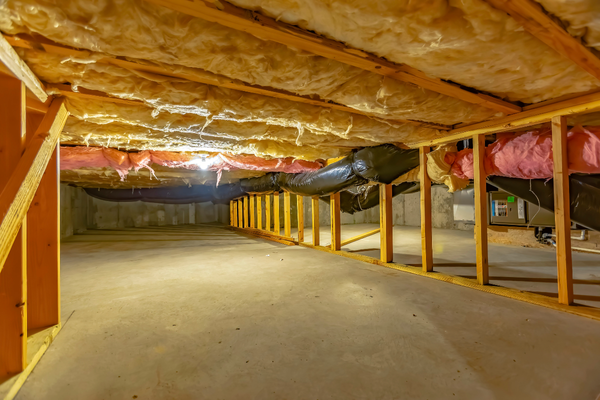
Florida’s climate places immense stress on residential structures. Heavy humidity, intense heat, and frequent rain create a punishing environment for any building. Below-grade and partially below-grade spaces face the harshest conditions. Ground soil holds trapped water, and the warm air outside carries massive amounts of water vapor. Controlling these elements demands exact building science principles.
Applying proper basement insulation stops structural decay, blocks mold growth, and lowers monthly energy consumption. Unchecked dampness destroys wood framing and ruins indoor air quality. All Thermo Insulation provides the exact expertise required to protect your property against the intense Florida weather. Our team understands the physics of thermal barriers in warm, damp environments.
What is Basement Insulation?
Basement insulation is a protective thermal and moisture barrier applied directly to the foundation walls, floors, and ceilings of a below-grade space. This continuous barrier stops heat transfer, blocks uncontrolled airflow, and prevents ground moisture from penetrating the living area.
In a warm, damp environment, this material acts as the primary shield separating the conditioned interior from the wet, harsh exterior ground. A proper installation stops the heavy moisture load of the soil from reaching the wooden bones of the house.
Why Florida Homes Demand Superior Moisture Control
Florida weather forces homes to battle relentless humidity. Traditional building methods often fail in this region. Unconditioned lower levels act like giant sponges. They actively pull dampness from the surrounding dirt. This dampness travels upward through the home, rotting floorboards and feeding mold colonies.
Managing Extreme Humidity
Warm air holds vast amounts of water vapor. This heavy air pushes constantly against the cooler concrete walls of a below-grade space. When the warm, moist air meets the cool concrete surface, water droplets form instantly. Controlling this chemical reaction stops standing water and damp air from ruining the entire level. A continuous thermal barrier prevents the warm air from ever touching the cold concrete.
Blocking Intense Heat Transfer
Heat moves naturally toward cooler areas. During a hot Florida summer, the aggressive heat outside pushes aggressively into the cooler lower levels of the house. This forces air conditioning systems to run constantly. The right thermal barrier blocks this thermal transfer. Keeping the outside heat out drastically reduces the strain on your mechanical cooling systems.
Regulating Airflow and Drafts
Drafts carry both temperature changes and moisture. Unsealed gaps around rim joists, windows, and plumbing pipes let outside air rush inside. Creating a tightly sealed envelope blocks these unconditioned air currents. Stopping airflow stops the humidity from entering the building.
How Does Moisture Enter a Florida Basement?
Water finds multiple unseen paths into lower levels. Identifying these exact entry points is the first step toward lasting protection.
- Capillary Action: Concrete looks solid, yet it remains highly porous. Water travels upward and inward through the microscopic tubes inside the concrete foundation walls and floors.
- Condensation: Warm, humid air contacts cool below-grade surfaces, turning invisible water vapor into damaging liquid water.
- Air Leaks: Unsealed joints, foundation cracks, and gaps pull outside humidity directly into the space.
- Hydrostatic Pressure: Florida’s high water tables push heavy groundwater directly against the foundation, forcing liquid through tiny fissures.
The Impact of Condensation in Warm, Damp Environments
Ignoring condensation leads to severe structural degradation. Wood rot begins silently behind finished drywall. Mildew and mold colonies thrive in dark, humid spaces. These biological growths completely compromise indoor air quality. As spores circulate upward through the HVAC system, occupants breathe in harmful allergens daily.
Rotting floor joists weaken the entire house structure. Stopping condensation at the foundation wall protects the entire building envelope. All Thermo Insulation focuses on creating dry environments where condensation cannot form. Eliminating the moisture source starves mold and preserves the structural framing.
How to Choose Basement Insulation Materials for Florida
Selecting the correct material dictates the success of the entire project. Certain products excel in damp climates, while others fail completely. Understanding material properties prevents disastrous building mistakes.
Closed-Cell Spray Foam
Closed-cell spray foam stands as the ideal choice for Florida properties. This dense material expands rapidly to fill every crack, gap, and crevice. It cures into a rigid, permanent barrier. Closed-cell foam provides an exceptionally high R-value per inch of thickness. It also acts as an impenetrable vapor retarder. Water cannot pass through it. Air cannot penetrate it. Applying closed-cell foam directly to the concrete foundation wall solves both thermal and moisture issues simultaneously.
Rigid Foam Board
Extruded polystyrene (XPS) rigid foam boards offer excellent moisture resistance. Installers attach these solid boards directly to the foundation walls using specialized adhesives. Taping the seams with waterproof tape creates a continuous barrier against dampness. Rigid foam provides reliable thermal resistance without absorbing water. This method works well for straight, smooth concrete walls.
The Danger of Fiberglass Batts
Many builders mistakenly install fiberglass batts in below-grade spaces. Fiberglass absorbs moisture rapidly. In a damp Florida environment, fiberglass quickly becomes a heavy, wet sponge. The material loses all its thermal resistance once wet. Wet fiberglass traps water directly against wood framing, accelerating rot and fueling massive mold growth. Homeowners must avoid fiberglass in any below-grade application in a humid climate.
Creating an Effective Vapor Barrier
Vapor barriers stop gaseous water from moving through building materials. The physics of moisture drive in Florida differs greatly from northern climates. Up north, moisture pushes from the inside out. In Florida, the heavy humidity pushes from the outside in.
Applying a vapor barrier directly against the concrete foundation wall blocks the inward push of humidity from the soil. Closed-cell spray foam achieves this naturally without extra plastic sheeting. If using rigid boards, careful sealing of all joints creates the necessary barrier. Proper placement prevents moisture from becoming trapped inside the wall cavity. Improper placement traps water and rots the house from the inside out.
The Science of R-Value in Humid Climates
R-value measures a material’s resistance to heat flow. A higher number indicates better thermal resistance. In Florida, raw R-value matters less than the material’s ability to block air and moisture.
A highly rated fiberglass batt fails completely if air blows right through it. Dense materials like spray foam provide a true thermal break. They stop the air movement, which stops the heat transfer. All Thermo Insulation installs materials that deliver high R-values while simultaneously acting as supreme air and moisture barriers. This dual-action performance keeps Florida homes cool, dry, and protected.
Long-Term Durability and Energy Efficiency
A properly insulated lower level lasts for decades. The right materials resist degradation from moisture, heat, and pests. Investing in high-quality insulation materials pays massive dividends through lower utility bills and reduced maintenance costs over the life of the home.
Air conditioning units run far less frequently. The indoor temperature remains completely stable. The heavy load on mechanical systems drops significantly. This extends the lifespan of your expensive heating and cooling equipment. All Thermo Insulation builds protective systems designed to endure the punishing Florida weather indefinitely. You gain peace of mind knowing the lowest level of your home remains completely dry.
Air Sealing: The Critical Companion to Insulation
Insulation alone cannot stop all climate issues. Strict air sealing must accompany the thermal barrier. Installers must locate and fill every single penetration in the building envelope.
The rim joist represents a massive source of air leakage. The gap where the house framing meets the concrete foundation allows massive amounts of humid air to enter the home. Spraying dense foam directly into the rim joist cavity seals this critical junction permanently. Sealing around plumbing pipes, electrical conduits, and HVAC vents stops sneaky drafts from ruining the conditioned air. All Thermo Insulation technicians hunt down these invisible leaks and seal them tight.
The Installation Process with All Thermo Insulation
Proper execution requires expert knowledge and precise application techniques. The specialized team at All Thermo Insulation follows a strict protocol to guarantee total protection.
First, our technicians inspect the space for existing water damage and active leaks. Addressing standing water issues must happen before applying any materials. We evaluate the concrete surfaces and the wooden floor joists above.
Next, the crew removes any old, failing insulation. Wet fiberglass and sagging plastic vapor barriers go straight into the trash. They clean the concrete substrate to guarantee proper adhesion for the new materials.
Then, the team seals all air leaks, focusing heavily on the rim joists and wall penetrations. They apply expanding sealants to block the outside air.
Finally, the technicians apply the chosen insulation material, creating a continuous thermal and moisture barrier. They measure the depth and verify the coverage meets strict building science standards. The result is a clean, dry, tightly sealed lower level.
Enhancing Whole-Home Comfort
The effects of treating the lower level extend upward into the main living spaces. Floors above the below-grade space feel noticeably warmer in winter and drastically cooler in summer. The persistent musty smell associated with damp foundations disappears entirely. The entire home feels drier, cleaner, and vastly more comfortable.
Controlling the environment at the lowest level stabilizes the entire structure. The air conditioner removes less humidity from the air because the moisture never enters the house. Indoor air quality improves dramatically once the threat of mold spores vanishes. Protecting the bottom of the house protects everything above it.
Take Action to Protect Your Property Today
Ignoring below-grade spaces invites severe damage to your property. Moisture, heat, and airflow will systematically degrade your home’s foundation and ruin your indoor air quality. Delaying these crucial repairs leads to massive structural reconstruction costs later. Damp wood rots, mold spreads rapidly, and energy bills skyrocket when the building envelope fails.
All Thermo Insulation stands ready to protect your Florida home right now. Our experienced technicians understand exactly how to beat the local climate challenges. We apply proven building science principles to deliver lasting, permanent results. We know exactly which materials survive the damp heat and which ones fail.
Stop paying unnecessarily high energy bills. Eliminate musty odors and dangerous dampness. Secure your home’s structural integrity against the harsh elements. Contact All Thermo Insulation today to schedule a complete property evaluation. Our dedicated team will design and install a barrier system that completely controls moisture, heat, and airflow in your home. Call us now and secure your property against the Florida climate.