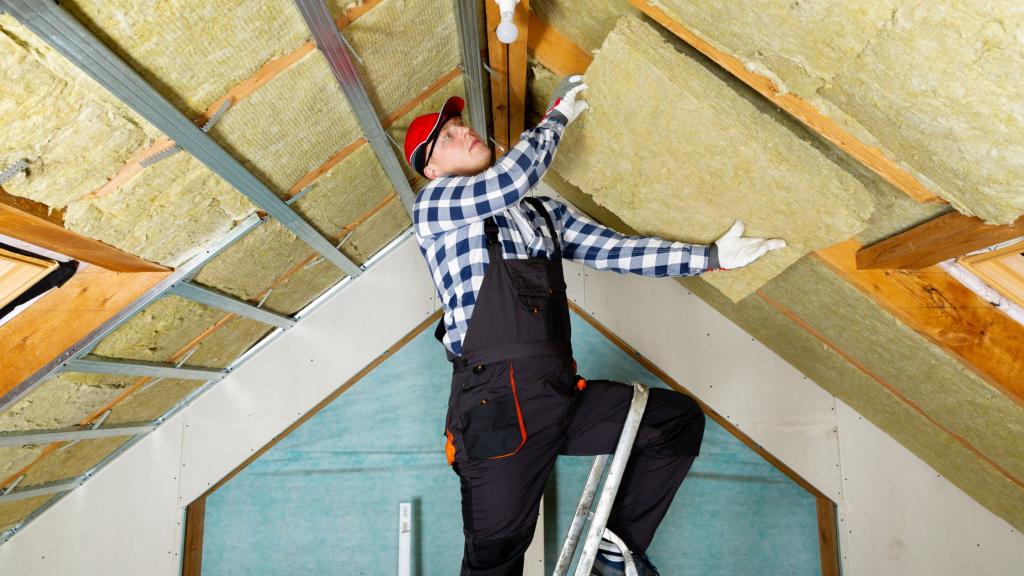
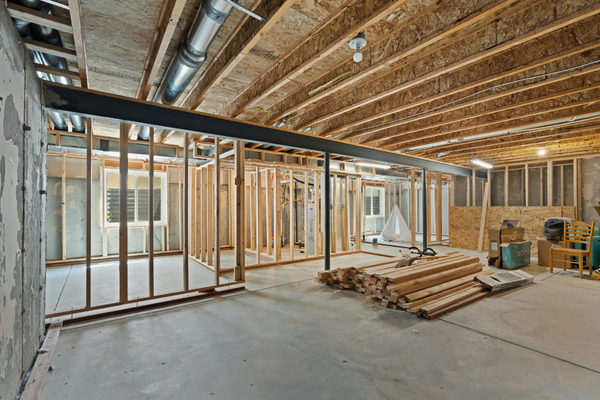
Florida weather creates distinct challenges for commercial architecture. The combination of intense heat and heavy humidity demands exact building envelope strategies. Standard construction practices often fail under the constant pressure of coastal weather patterns. Commercial structures require a complete system of thermal barriers and moisture controls to maintain indoor air quality and protect structural integrity. All Thermo Insulation delivers systems built to withstand the severe climate demands found throughout the state.
What is Commercial Insulation and Why Does Florida Require Specialized Systems?
Commercial insulation is a continuous barrier applied to a building envelope to block heat transfer and stop moisture infiltration. In hot and humid climates, this system relies on a combination of materials working together to create a sealed environment.
Key functions of a high-performance commercial insulation system include:
- Blocking thermal bridging across conductive materials like steel framing and concrete blocks.
- Stopping vapor drive from hot exterior environments into cooled interior spaces.
- Keeping indoor temperatures stable to reduce the constant strain on cooling equipment.
- Preventing the formation of condensation within closed wall cavities and roof assemblies.
How Does Vapor Drive Affect Commercial Structures?
Air moves from areas of high pressure to areas of low pressure. Heat moves from warm spaces to cold spaces. Florida experiences long periods where the exterior air is extremely hot and saturated with water. The interior of a commercial building remains mechanically cooled and relatively dry. This stark difference creates a powerful force called vapor drive. The exterior moisture attempts to force its way into the building through any available opening or permeable material.
If water vapor penetrates the exterior cladding and moves into the wall cavity, it eventually reaches a cold surface. This surface is often the back of the interior drywall. Upon contact with the cold surface, the vapor reaches its dew point and turns into liquid water. The resulting condensation saturates insulation materials, ruins interior finishes, and fosters the rapid growth of mold and mildew. Controlling this moisture requires a highly effective vapor retarder positioned correctly within the wall assembly.
How Does Heat Transfer Impact Commercial Buildings?
Heat travels through three primary methods: conduction, convection, and radiation. Commercial properties must defend against all three mechanisms to maintain efficiency.
Conduction occurs when heat moves through solid materials. Steel beams and concrete panels are highly conductive. Without a thermal break, the sun heats the exterior masonry, and that heat travels directly through the structural frame to the interior space.
Convection involves the movement of heat through fluids, such as air. When hot air leaks through unsealed joints around windows, doors, or roof parapets, it carries massive amounts of heat into the building.
Radiation is the transfer of heat across open spaces via electromagnetic waves. The sun radiates intense energy onto flat commercial roofs. A complete thermal management strategy blocks conduction with insulating materials, stops convection with rigid air barriers, and reflects radiation using reflective coatings or foil-faced panels.
The orientation of the commercial building plays a massive role in solar heat gain. Western and southern facing walls receive direct, intense sunlight for hours. This constant exposure heats the exterior cladding. The heat travels through the masonry and steel into the interior offices and warehouse floors. Reflective coatings on the roof surface repel a portion of this radiation. The primary defense remains the thick, continuous layer of insulation located beneath the roof membrane. Blocking this conductive heat transfer keeps the ceiling plenum cool and stops heat from radiating downward onto the occupants.
Which Materials Provide Superior Thermal Performance?
The selection of materials dictates the success of the building envelope. Not all materials perform well under high-humidity conditions.
Closed-Cell Spray Polyurethane Foam (SPF)
This material offers exceptional performance for coastal and humid environments. The application process involves spraying a liquid that expands rapidly to fill every crack, gap, and irregular shape. It cures quickly into a dense, rigid plastic layer. The cellular structure of this foam is completely closed, meaning water and air cannot pass through it. This single material provides thermal resistance, an air barrier, and a vapor retarder. The rigid nature of the cured foam adds significant racking strength to the walls and roof deck, an important feature for buildings facing severe tropical storms and hurricanes.
Rigid Foam Board Insulation
This category includes Extruded Polystyrene (XPS), Expanded Polystyrene (EPS), and Polyisocyanurate (Polyiso). Polyiso remains the standard choice for commercial flat roofing systems. These boards deliver high thermal resistance per inch of thickness. Contractors apply them in multiple staggered layers to cover seams and prevent heat from leaking through the joints. Many rigid boards feature foil facers that act as dedicated moisture and vapor barriers.
Mineral Wool Insulation
Manufactured from spun rock or slag, this material comes in semi-rigid batts or high-density boards. Mineral wool does not absorb water and maintains its insulating properties even when exposed to damp conditions. It provides excellent fire resistance and dampens acoustic transmissions between rooms or from outside noise.
How Does the Building Envelope Reduce HVAC Workload?
Commercial air conditioning systems draw massive amounts of electricity. A poorly sealed building forces the HVAC units to run without pause. Continuous operation accelerates mechanical wear, leading to frequent breakdowns and early equipment replacement. High utility bills directly cut into the operational budget of the business.
A properly sealed and insulated building envelope dramatically reduces the total cooling load. The mechanical equipment reaches the desired indoor temperature quickly and maintains that set point with short, infrequent cycles. Cooled air stays inside the building. Hot, humid air remains outside. The efficiency of the entire HVAC system depends on the structural envelope. Proper thermal boundaries allow engineers to install smaller, more efficient air handlers and chillers, reducing upfront mechanical costs and lowering long-term energy expenditures.
Why is Integrating Roof, Wall, and Foundation Systems Critical?
A building envelope must remain continuous. Any break in the thermal or vapor barrier compromises the entire system. The commercial roof absorbs the most direct solar radiation. High-performance roof insulation must align perfectly with the exterior wall insulation.
Exterior walls constructed of masonry or steel framing transfer heat rapidly. Continuous insulation applied directly to the exterior face of the building frame stops this thermal bridging. The barrier must extend from the roof parapet down to the foundation. Ground moisture presents another challenge. Vapor barriers applied below the concrete slab and thermal breaks installed at the foundation perimeter stop dampness from seeping upward into the floor system.
What Are the Specialized Requirements for Different Commercial Spaces?
Different businesses require varying environmental controls. Office buildings need consistent comfort for employees and protection for sensitive computer equipment. Managing humidity in an office prevents musty odors and protects paper records from degradation.
Warehouses and distribution centers often feature vast open spaces with high ceilings. Insulating the roof deck in a large warehouse lowers the ambient temperature significantly, creating a safer environment for workers and protecting stored inventory from heat damage.
Cold storage facilities and refrigerated warehouses demand extreme insulation measures. The temperature difference between a freezing interior and a sweltering Florida exterior creates immense vapor drive. The vapor barrier in a cold storage facility must be absolutely flawless. Even microscopic pinholes in the moisture barrier allow ice to form inside the walls, eventually destroying the structure from within.
Manufacturing plants face internal heat generation. Large machinery, ovens, and processing equipment release massive amounts of heat into the factory interior. The insulation system in a manufacturing plant must manage this internal heat load while simultaneously blocking the Florida sun from outside. High-temperature mineral wool systems provide fire containment and thermal resistance in these heavy-industrial settings.
Agricultural processing facilities require sanitary environments. Wash-down procedures involve spraying walls with high-pressure water and harsh cleaning chemicals. Closed-cell foam and sealed rigid board systems resist water absorption during these daily cleaning cycles, preventing structural rot and maintaining a hygienic food-processing environment.
How Do Florida Building Codes Regulate Commercial Construction?
Regulatory standards mandate strict energy efficiency and structural integrity measures across the state. The Florida Building Code dictates precise thermal resistance values based on the building type, construction method, and occupancy classification. Compliance often demands continuous insulation on mass walls and multiple layers of above-deck roof insulation.
Meeting these codes protects the property owner from liability and prevents delays during construction. Inspectors require visible proof of correct installation and adherence to approved architectural plans. All Thermo Insulation follows rigid operational guidelines to satisfy all state and local mandates. Proper execution passes inspection on the first attempt and provides lasting protection against the harsh coastal environment.
What Are the Methods for Upgrading Existing Commercial Structures?
Improving the energy profile of an older commercial property requires careful diagnostic planning. Many older structures lack adequate vapor retarders or feature degraded insulation materials that have settled or absorbed moisture over decades. Upgrading the thermal barrier without addressing existing moisture control issues traps water inside the walls, accelerating rot and decay.
Energy audits identify hidden weak points in the building envelope. Infrared thermography cameras reveal missing insulation and invisible air leaks around windows, structural joints, or roof parapets.
Replacing interior drywall and disrupting business operations costs facility managers time and capital. Modern retrofitting techniques minimize this disruption. Technicians drill small access holes into concrete block walls and inject expanding foam directly into the voids. The foam flows horizontally and vertically, filling empty cavities before curing into a solid mass. This method strengthens the wall and blocks moisture without tearing down the existing structure.
Roof recoveries present another option. Instead of tearing off the entire commercial roof down to the metal deck, contractors lay new rigid polyiso boards directly over the existing dry membrane and seal a new waterproof layer on top. This process saves landfill space and sharply reduces labor costs.
What Is the Financial Impact of Building Enclosure Upgrades?
Reducing energy consumption directly lowers monthly operational expenses. The initial capital spent on proper thermal barriers generates a steady return through significantly lower electricity bills over the life of the building.
Equipment lifespan increases substantially. HVAC chillers, compressors, and air handlers operate under much less stress. This delayed depreciation postpones the need for massive capital expenditures on new mechanical systems.
Fewer maintenance issues arise over time. Preventing interior condensation stops water damage to finishes, protecting drywall, paint, ceiling grids, and flooring from moisture-related failures. A dry building is a healthy building, reducing liability related to poor indoor air quality and tenant complaints.
Why Does Installation Precision Determine System Success?
High-quality building materials fail entirely if installed incorrectly. Gaps in the insulation layer create focused areas of heat transfer. Unsealed joints in a vapor barrier allow a steady stream of moisture to bypass the entire defense system.
Professional application requires precise environmental control. Spray polyurethane foam requires exact mixing temperatures and specific ambient humidity levels during application to cure correctly. Rigid foam boards require tightly staggered joints and compatible adhesives or mechanical fasteners that do not create thermal bridges themselves. All Thermo Insulation executes every phase of the installation process with exact attention to detail, verifying coverage depth, adhesion, and barrier continuity.
Secure Your Building Envelope Today
Protect your Florida commercial property from severe heat, constant humidity, and excessive energy waste. Contact All Thermo Insulation today to discuss your building envelope requirements. Our dedicated team is ready to evaluate your structure and install a high-performance system designed for lasting structural durability. Call us now to schedule your complete facility consultation and secure your building against the elements.