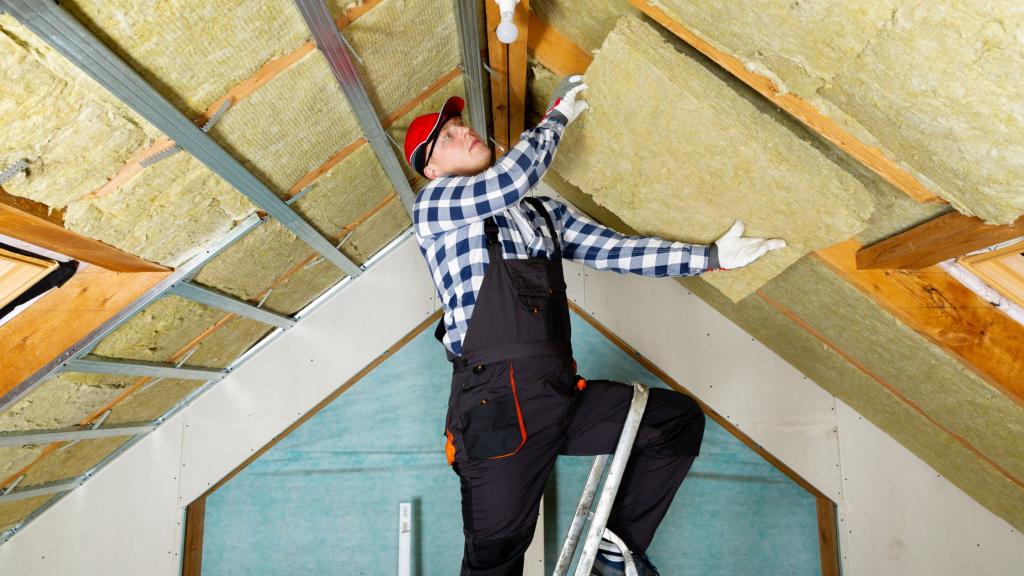

If you’re researching ways to cut energy bills, stop drafts, and make your home more comfortable year-round, you’ve probably seen the term spray foam insulation come up again and again. There’s a good reason for that. Spray foam is one of the most effective insulation materials available today, and when installed correctly by a professional team like All Thermo Insulation, it delivers long-term value that goes far beyond basic fiberglass batts or blown-in insulation.
In this guide, we’ll walk through what makes spray foam different, the main benefits you’ll notice in your home, and why the upfront cost is often more of an investment than an expense.
What Is Spray Foam Insulation?
Spray foam insulation is a two-part liquid that’s sprayed into walls, attics, crawl spaces, and other cavities. Once applied, it expands and hardens into a dense, durable foam. This process does two important jobs at once:
- Insulates your home with a high R-value per inch
- Seals air leaks by filling cracks, gaps, and hard-to-reach spaces
Unlike traditional insulation, spray foam doesn’t just sit in place; it actively forms a continuous thermal and air barrier. That’s a big reason it’s so effective at improving comfort and efficiency.
Benefit #1: Serious Energy Savings
One of the biggest benefits homeowners notice after installing spray foam is lower utility bills.
Because spray foam insulation creates both thermal resistance and air sealing, your heating and cooling system doesn’t have to work as hard to keep temperatures stable. Conditioned air stays inside, and hot or cold outdoor air stays out.
Over time, this can add up to significant savings on your monthly energy costs. According to ENERGY STAR, proper insulation and air sealing can save homeowners up to 15% on heating and cooling bills. Spray foam often helps you reach that upper range more easily because it targets both problems at once.
Benefit #2: Fewer Drafts and More Consistent Comfort
If some rooms in your home are always hot in summer and freezing in winter, it’s usually a sign of poor insulation and air leakage.
Spray foam insulation helps:
- Eliminate cold spots around windows, doors, and exterior walls
- Reduce temperature swings between floors and between rooms
- Maintain comfort longer even when your system cycles off
Because the foam tightly seals the building envelope, outdoor air has a harder time sneaking in through gaps, cracks, and penetrations. That means fewer drafts along floors and walls, and a more even, comfortable temperature throughout the house.
Benefit #3: Moisture Control and Mold Prevention
Air leaks aren’t just about comfort; they also carry moisture into your home. When warm, humid air hits cooler surfaces, it can condense and create a perfect environment for mold and mildew.
Spray foam insulation helps by:
- Limiting the movement of humid air into wall and ceiling cavities
- Reducing the chance of condensation inside your building envelope
- Helping protect wood framing and other materials from long-term moisture damage
While spray foam is not a cure-all for every moisture issue, it is a strong line of defense. When combined with proper ventilation and drainage, it helps your home stay drier and healthier over time.
Benefit #4: Improved Indoor Air Quality and Noise Reduction
Because spray foam insulation seals so effectively, it also helps filter what enters your home:
- Fewer allergens and pollutants travel through cracks and gaps
- Outdoor dust, pollen, and exhaust fumes have fewer paths inside
- Some odors and outdoor noise are noticeably reduced
The foam itself can also act as a sound barrier, especially in walls and floors. Homeowners often report quieter interiors after insulating with spray foam—less street noise, fewer sounds from neighboring units, and more privacy between rooms.
For families with allergies, asthma, or simply a desire for cleaner air, this combination of air sealing and sound control is a major bonus.
Benefit #5: Long-Lasting Performance and Potential Structural Strength
Traditional insulation can sag, compress, or shift over time. Spray foam insulation, once cured, is rigid and stays in place. That means:
- It maintains its R-value for many years
- It doesn’t settle or slump in wall cavities
- It stays tightly bonded to surfaces
In some applications, closed-cell spray foam can even add structural rigidity to walls and roofs, helping them better withstand wind and vibration. While it’s not a substitute for proper structural design, it can be a helpful extra layer of support.
The key takeaway: you typically install spray foam once and benefit from it for decades.
Is Spray Foam Insulation Really Worth the Cost?
Spray foam insulation usually costs more up front than fiberglass or cellulose. But when you look at the full picture, it often proves to be the better long-term value.
Here’s why it’s often worth the investment:
- Energy savings help offset the initial cost over time
- Comfort improvements make your home more livable every day
- Reduced strain on HVAC equipment may extend the life of your system
- Moisture and air control help prevent costly repairs down the line
When you factor in lower utility bills, fewer comfort complaints, and long-term durability, many homeowners find that spray foam insulation pays for itself—and then keeps paying you back.
Where Spray Foam Insulation Makes the Most Sense
Spray foam is a great option in many parts of your home, including:
- Attics and rooflines
- Knee walls and bonus rooms
- Crawl spaces and rim joists
- Exterior walls in new construction and major remodels
- Basement walls and headers
These are typically the areas where air leakage is worst and traditional insulation struggles to perform well. When you target these “weak spots” with spray foam, you can dramatically improve the overall performance of the home.
Why Work with a Professional Like All Thermo Insulation?
The quality of your spray foam insulation installation matters just as much as the product itself. A professional team like All Thermo Insulation will:
- Recommend the right type of spray foam (open-cell vs. closed-cell)
- Prepare surfaces and substrates properly for long-term adhesion
- Apply the correct thickness and coverage for your climate and goals
- Follow all safety and ventilation guidelines during installation
- Help you prioritize areas of the home to get the best return on investment
DIY spray foam kits rarely match the consistency, coverage, and safety standards of a professional job. When you’re investing in something that should last for decades, expert installation is part of protecting that investment.
For more details on where spray foam can help most in your home, be sure to visit your internal services page, such as our spray foam insulation services.
Ready to Upgrade? Take the Next Step with All Thermo Insulation
If you’re tired of high energy bills, drafty rooms, and a home that never feels quite comfortable, spray foam insulation could be the solution you’ve been looking for.
All Thermo Insulation can inspect your home, identify problem areas, and design a spray foam solution tailored to your needs and budget. From attics and crawl spaces to whole-home projects, the goal is simple: maximize comfort, efficiency, and long-term value.
When you view spray foam as an investment—not just another home expense—the benefits become clear: lower bills, better comfort, and a home that feels solid, quiet, and well-protected for years to come.