Florida summers bring heavy heat and thick humidity that push a home’s insulation to its limit. Spray foam insulation Florida homeowners choose today does more than block heat. It seals gaps, blocks moisture, and keeps rooms comfortable even when the air outside feels like a wet blanket. This guide walks through why this material handles our climate better than older options, and what that means for your home before the next heat wave arrives.
Why Standard Insulation Struggles in Florida
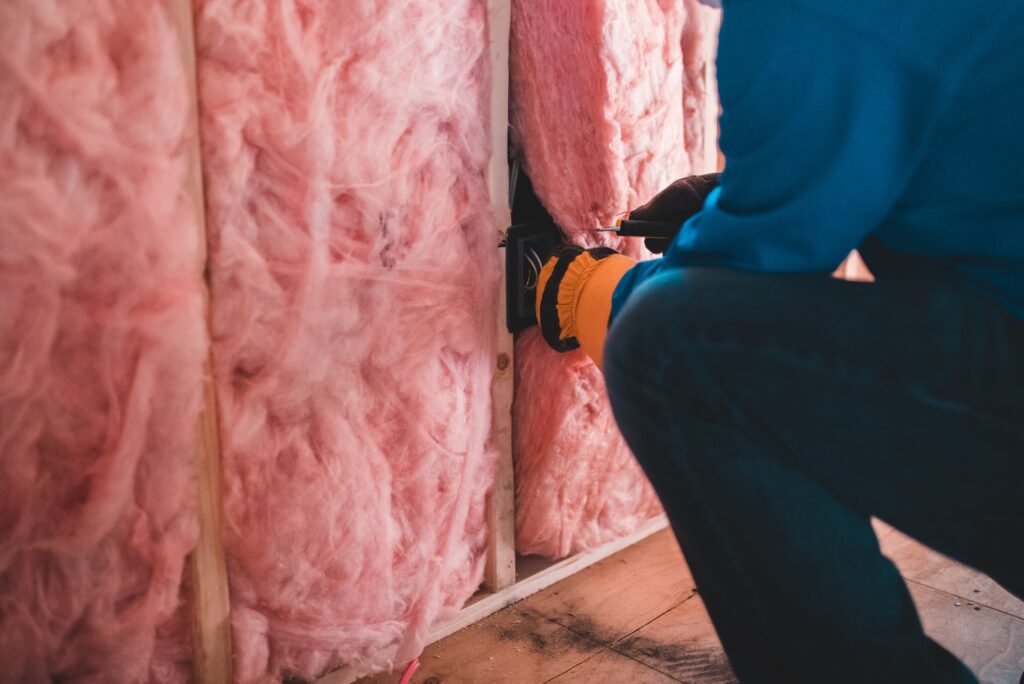
Traditional insulation, like fiberglass batts, was built for cooler, drier states. Florida’s climate works against it in three ways:
- Humid air seeps through small gaps and settles inside walls and attics.
- Fiberglass loses its shape when damp, which lowers its ability to block heat.
- Moisture trapped inside a wall cavity can lead to mold growth over time.
None of these issues are minor. They chip away at comfort and can raise repair costs over the years. That’s part of why more homeowners are turning to spray foam insulation as a long-term fix.
How Spray Foam Insulation Handles Heat and Humidity
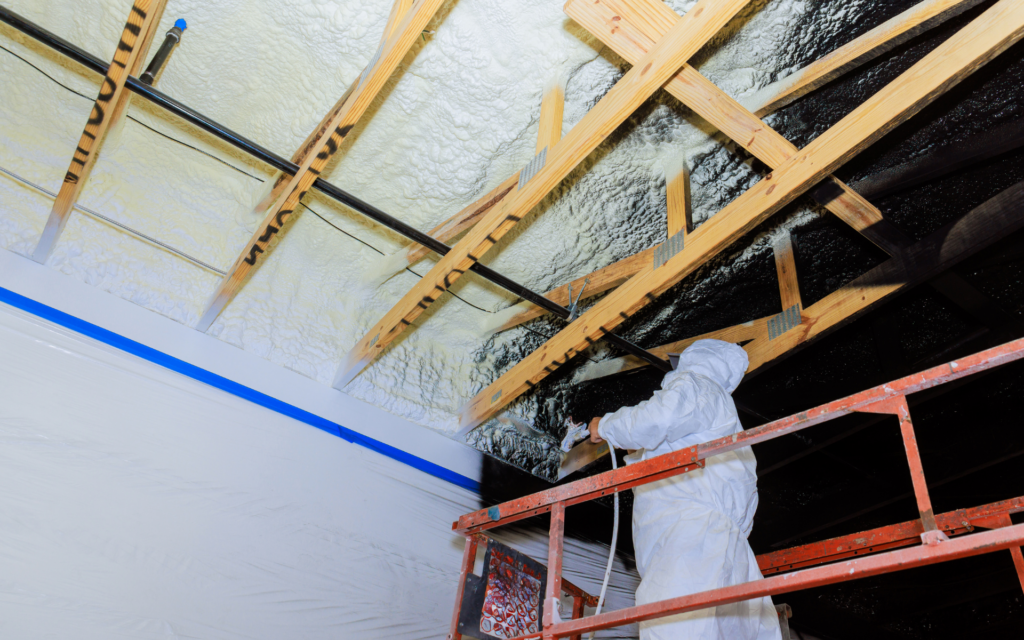
Spray foam insulation Florida contractors install expands on contact and fills every crack, corner, and gap. This creates a tight barrier that standard batts cannot match. Here’s what that barrier does for your home:
- Blocks air movement. Air sealing stops hot, humid air from entering through small openings around wiring, pipes, and framing.
- Resists moisture absorption. Closed-cell spray foam does not soak up water the way fiberglass does, so it keeps its shape and performance even in damp conditions.
- Holds a steady R-value. Since it stays dry, spray foam keeps its insulating strength through Florida’s rainy season and beyond.
What Makes Air Sealing So Important in Florida Homes?
Air sealing is often the missing piece in older homes. Gaps around windows, doors, and attic penetrations let hot air sneak in and cooled air escape. Over a full year, this forces air conditioning systems to run longer and harder.
Spray foam insulation closes these gaps in one application. Unlike batts or blown-in material, it does not leave seams or settle over time. This is one reason the team at All Thermo treats air sealing as a core part of every insulation project, not an add-on.
Moisture Resistance: A Bigger Deal Than Most Homeowners Realize
Florida’s humidity does not stay outside. It finds its way into attics, wall cavities, and crawl spaces. Once trapped, that moisture creates conditions for mold, wood rot, and musty odors.
Spray foam insulation reduces this risk in a few clear ways:
- It forms a continuous layer that limits how much moist air can pass through walls and ceilings.
- It does not hold water inside its structure, so it dries faster if any moisture reaches it.
- It supports better indoor air quality by limiting the conditions mold needs to grow.
For coastal and inland homes alike, this moisture control matters as much as the temperature benefits.
Does Spray Foam Insulation Really Improve Temperature Control?
Yes, and the reason comes down to how the material fills space. Fiberglass batts leave small air pockets around outlets, corners, and irregular framing. Spray foam expands to fill those same spaces completely.
This gives homeowners a few clear temperature benefits:
- Fewer hot and cold spots across different rooms
- Less strain on air conditioning units during peak summer months
- More stable indoor temperatures during sudden weather shifts, common during hurricane season
A well-sealed, well-insulated attic can also lower the load on cooling equipment, which may extend the life of that equipment over time.
Spray Foam Insulation and Florida’s Storm Season
Storm season brings more than heat. It brings sudden downpours, wind-driven rain, and shifting humidity levels. Homes with gaps in their insulation feel these changes indoors, often through damp air or uneven room temperatures.
A tight building envelope helps in a few ways during these months:
- It limits how much outdoor moisture reaches indoor living spaces.
- It keeps indoor humidity levels more stable, which supports comfort and air quality.
- It reduces the chance of condensation forming inside walls or attics.
Preparing a home before storm season starts, rather than after damage appears, tends to save homeowners both time and stress.
What to Look for in a Spray Foam Insulation Provider
Not all installations perform the same way. Before scheduling a project, homeowners should check for a few things:
- Experience with Florida’s specific heat and humidity conditions
- Clear communication about the type of foam used, such as open-cell or closed-cell
- A written plan that covers attic, wall, and crawl space needs
- Attention to existing moisture or air quality issues before installation begins
Choosing a provider with local experience makes a noticeable difference in how well a home performs through every season.
A Smarter Way to Handle Florida’s Climate
Spray foam insulation gives Florida homeowners a practical answer to heat, humidity, and moisture, three challenges that older insulation types were never designed to handle well. Air sealing closes the gaps that let outdoor air inside. Moisture resistance protects walls and attics from long-term damage. Steady temperature control keeps rooms comfortable no matter what the forecast shows.
If your home still relies on older insulation, now is a practical time to look at an upgrade before the next stretch of heat and humidity sets in. The team at All Thermo has spent years studying how Florida’s climate affects homes, and applies that experience to every project.
Ready to see how spray foam insulation could change the comfort of your home? Reach out to All Thermo today to schedule a conversation about your space, your goals, and the right insulation plan for your home.