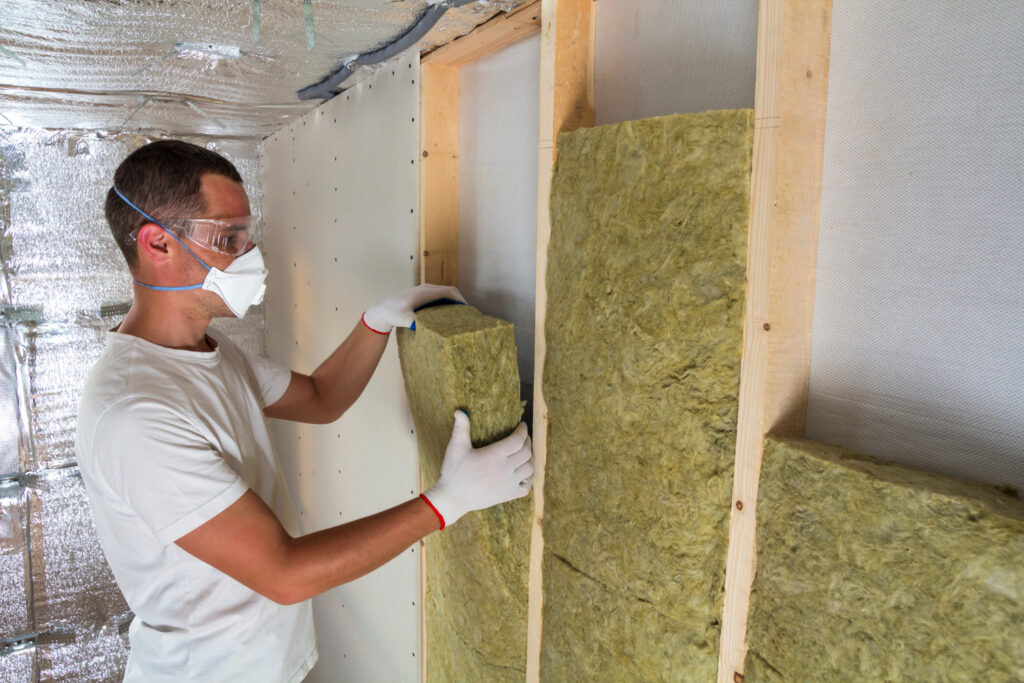
If you live in Florida, you know that the climate does not play nice with homes. Between the blistering summer heat, the relentless year-round humidity, and the intense hurricane seasons, protecting your home’s envelope is a constant battle. For decades, builders relied on traditional fiberglass batts or blown-in cellulose to keep homes comfortable. However, in an extreme, moisture-heavy environment, those older methods often fall drastically short, sagging, absorbing moisture, and allowing conditioned air to escape.
Today, homeowners and builders across West Palm Beach, Jupiter, Boca Raton, and throughout Florida are turning to a superior, modern solution. Spray foam insulation has emerged as the gold standard for hot and humid climates. It anchors everything critical to your home’s longevity: moisture control, unmatched energy efficiency, structural durability, and long-term performance.
In this complete guide, All Thermo Insulation breaks down the science, the options, and the exact reasons why upgrading your home’s insulation is one of the most impactful decisions you can make for your property.
What Is Spray Foam Insulation?
Spray foam insulation is a state-of-the-art building material applied as a liquid that rapidly expands to fill cavities, cracks, and voids before hardening into a dense, protective foam. Unlike traditional insulation materials that merely sit within wall cavities or rest on attic floors, spray foam creates a continuous, airtight thermal envelope.
By actively sealing gaps where air leaks occur, spray foam insulation stops the transfer of heat and prevents unconditioned outside air from penetrating your living spaces. This dual-action performance acting as both a high-level thermal insulator and a highly effective air barrier makes it uniquely equipped to handle the severe weather demands of coastal and southern climates.
Why Is Spray Foam Insulation Essential for Florida Homes?
Understanding why Florida homes require specialized insulation requires looking at how heat and moisture travel. In a hot and humid climate, the challenges are vastly different than in cold, northern regions.
The Threat of Humidity and Moisture
In Florida, the air outside your home is heavily laden with moisture. When this hot, humid air infiltrates your home through tiny cracks in your roof deck, walls, or around windows, it eventually meets the cooler, air-conditioned environments inside your walls and attic ducts. When hot, humid air meets a cold surface, condensation forms.
Over time, this hidden condensation leads to wood rot, deteriorating drywall, and the rapid growth of toxic black mold and mildew. Traditional fiberglass insulation is porous; it allows this humid air to pass right through it, and worse, fiberglass can actually absorb this moisture, becoming a soggy, ineffective mess that harbors bacteria.
The “Stack Effect” in Reverse
In cold climates, warm air rises and escapes through the attic (the stack effect). In Florida, the opposite often happens during the summer. Heavy, hot, humid air presses down on your home and is sucked inside by the negative pressure created by your HVAC system. Spray foam insulation entirely halts this process by establishing an impermeable air barrier, locking the extreme humidity outside where it belongs.
Open-Cell vs. Closed-Cell Spray Foam Insulation: Which is Best for Florida?
When researching spray foam insulation, you will quickly discover there are two primary types: open-cell and closed-cell. Choosing the right one is critical for a hot and humid climate.
Open-Cell Spray Foam Insulation
Open-cell spray foam is lighter, less dense, and more pliable. Its cells are intentionally left open, which allows the foam to expand massively—often up to one hundred times its original liquid volume.
- Best Uses: Because of its incredible expansion rate, open-cell foam is fantastic for completely filling deep, oddly shaped cavities, soundproofing interior walls, and insulating between floors to dampen noise.
- The Climate Catch: While open-cell foam is an excellent air barrier, it is not a vapor barrier. Moisture can permeate it over time. Therefore, in highly humid areas like Florida, it must be used cautiously and typically paired with a dedicated vapor retarder if applied to exterior-facing envelopes.
Closed-Cell Spray Foam Insulation (The Florida Champion)
Closed-cell spray foam is incredibly dense, rigid, and highly robust. Its cells are completely closed and packed tightly together, filled with a gas that helps the foam rise and provides exceptional insulating properties.
- The Ultimate Moisture Barrier: For Florida’s climate, closed-cell spray foam is generally the vastly superior choice for roof decks and exterior walls. It acts as a complete air barrier, thermal barrier, and a Class II vapor retarder. It wholly rejects water and moisture. Even if you have a minor roof leak, closed-cell foam will not absorb the water like a sponge.
- Hurricane Resilience: Because it cures into a hard, rigid plastic-like material, closed-cell foam essentially glues your building materials together. When applied to the underside of a roof deck, it significantly increases the “racking strength” of the roof, providing critical extra resistance against the extreme wind uplift experienced during Florida hurricanes.
The Core Benefits of Upgrading to Spray Foam Insulation
Investing in spray foam insulation transforms the ecosystem of your home. Beyond just adjusting the temperature, it fundamentally alters how your house operates.
1. Unmatched Energy Efficiency and HVAC Relief
The immediate benefit most homeowners notice is the stabilization of their indoor temperature. Traditional vented attics in Florida can reach blistering temperatures well over the outside ambient heat. If your HVAC ductwork runs through this super-heated attic, your air conditioner is working incredibly hard just to push cool air through an oven.
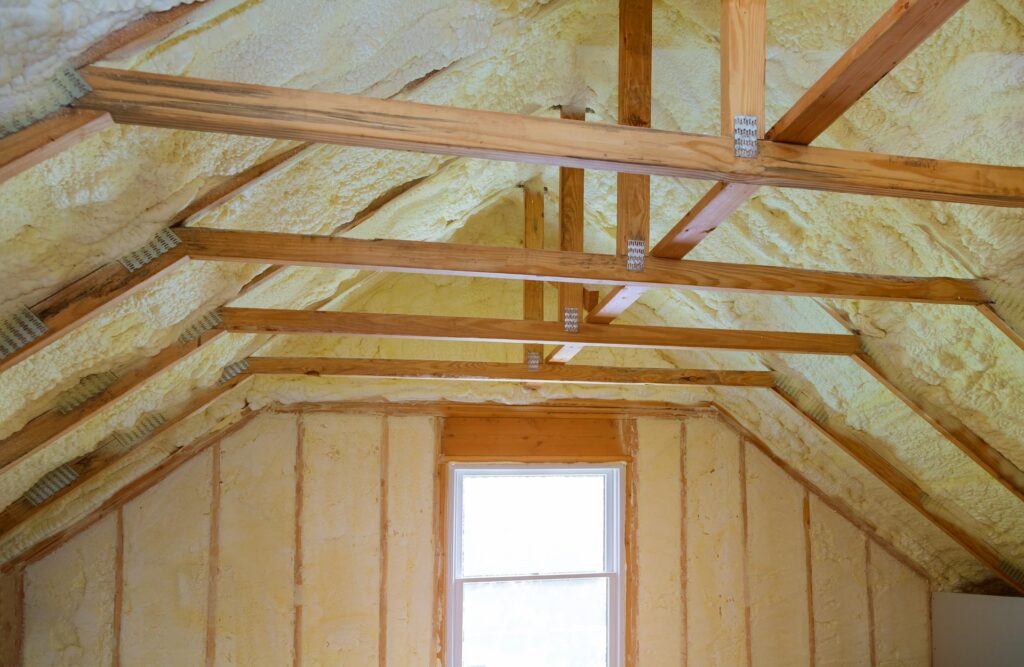
By applying spray foam insulation to the underside of the roof deck, you bring the attic into the “conditioned envelope” of the home. The attic temperature drops drastically, hovering just a few degrees above the rest of your house. Your HVAC system works significantly less, runs shorter cycles, and experiences less wear and tear, leading to a drastically extended lifespan for your mechanical equipment.
2. Superior Mold and Mildew Prevention
Mold needs three things to survive: warmth, a food source (like wood or paper backing on fiberglass), and moisture. Florida provides the warmth, and traditional building materials provide the food. By utilizing closed-cell spray foam insulation, you eliminate the moisture variable. By completely sealing out the humid outdoor air, you starve mold spores of the condensation they need to take root, keeping your home’s structural framing pristine and dry.
3. Dramatically Improved Indoor Air Quality
Your home breathes. Unfortunately, what it breathes in from the outside isn’t always healthy. Airborne allergens, pollen, dust, exhaust from nearby roads, and smoke easily slip through the cracks and crevices of a traditionally insulated home. Because spray foam insulation creates an airtight seal, it physically blocks these outdoor pollutants from entering your living space. This is a life-changing upgrade for family members suffering from asthma or severe seasonal allergies.
4. Deterring Florida Pests and Rodents
Florida is famous for its diverse wildlife, including palmetto bugs, termites, ants, mice, and roof rats looking for a cool, safe place to nest. Traditional fiberglass is an inviting, fluffy material that rodents love to tear apart for nesting. Spray foam, on the other hand, offers no food value and is a dense, hard barrier that deters pests from chewing their way into your attic or wall cavities. Furthermore, by sealing all the tiny entry gaps, you remove the physical doorways pests use to invade your home.
Understanding “Cold Attic Syndrome” and Roof Deck Insulation
One of the most popular and effective applications of spray foam insulation in Florida is creating a sealed, or “unvented,” attic.
Historically, attics were designed to be vented. Soffit vents and ridge vents were installed to allow airflow, theoretically preventing moisture buildup. However, in Florida, drawing outside air into the attic simply means drawing in massive amounts of humidity.
When you hire a professional team to apply closed-cell spray foam directly to the underside of your roof deck (the rafters), the existing attic vents are completely sealed off. This process stops the suffocating heat from radiating down through your ceiling into your living space. It prevents the ductwork in your attic from sweating and dripping condensation onto your ceiling drywall. This architectural upgrade is highly recommended for Florida homeowners looking to maximize their comfort and building durability.
How the Professional Spray Foam Insulation Process Works
Proper installation is heavily reliant on the skill of the contractor. Spray foam is highly technical and requires precise chemical mixing and temperature control. Here is what you can expect when working with professionals like All Thermo Insulation:
- Comprehensive Inspection: A thorough evaluation of your current insulation, attic space, and ventilation structure to determine the right type and depth of foam.
- Preparation and Removal: If you are upgrading an existing home, old, degraded, or rodent-infested fiberglass or cellulose insulation is carefully vacuumed out and removed to provide a clean substrate for the foam to adhere to.
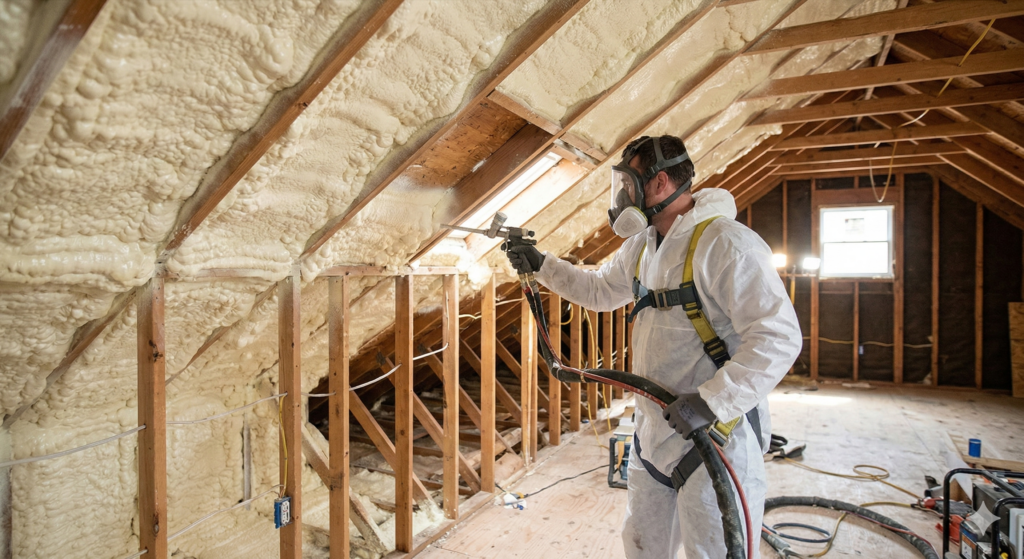
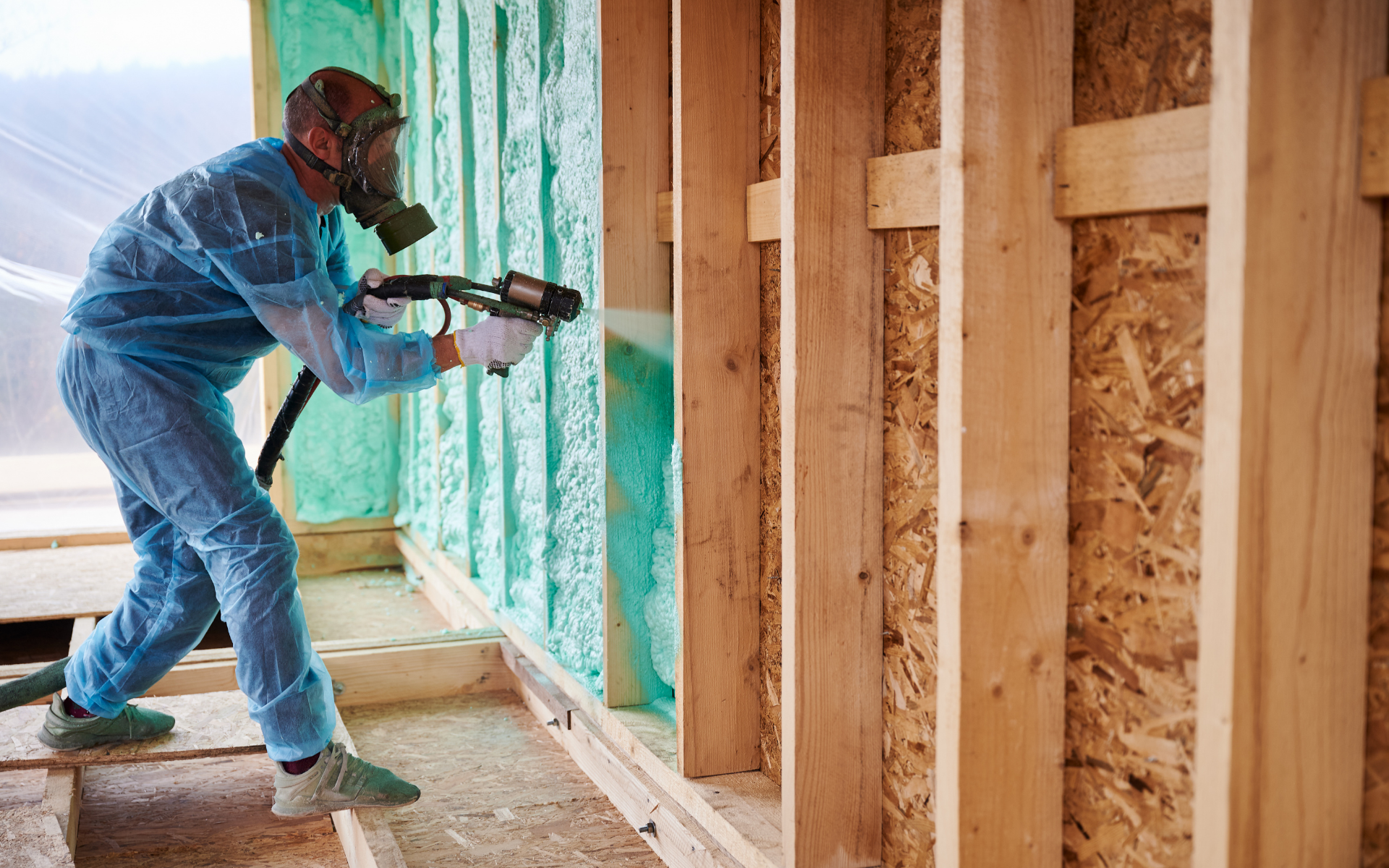
- Climate Control and Application: The space is prepped, and protective sheeting is applied. Using specialized, heated, high-pressure hoses, certified technicians spray the liquid foam directly onto the cavities or roof deck, watching it expand and cure in seconds.
- Curing and Ventilation: The home may need to be vacated for a short, specified curing period to allow off-gassing to dissipate safely.
- Final Inspection: The team ensures the foam has reached the proper depth and density, leaving your home perfectly sealed.
Choosing the Right Florida Spray Foam Insulation Contractor
Not all insulation contractors are created equal. Because spray foam involves mixing chemicals on-site via an advanced reactor system, the experience of the technician holding the spray gun dictates the quality of the final product.
When choosing a contractor in Florida, look for a company with deep roots in the local community. They must understand the unique building codes related to hurricane zones, the specific demands of coastal humidity, and have a proven track record of safe, clean, and highly effective installations.
Ready to Transform Your Home’s Comfort and Durability?
Living in a hot and humid climate doesn’t mean you have to suffer through inconsistent indoor temperatures, excessive humidity, or over-worked AC units. Spray foam insulation is an investment in your home’s structural integrity, your family’s health, and your daily comfort.
By sealing out the extreme Florida weather, you take ultimate control over your indoor environment. Whether you are building a new custom home or looking to drastically upgrade your current attic, it is time to leave outdated insulation methods in the past. Take the first step toward a cooler, drier, and more protected home today. Contact All Thermo Insulation—Florida’s trusted experts in modern insulation solutions. Reach out to our team today to schedule your comprehensive home evaluation and discover how spray foam insulation can permanently upgrade your property!