
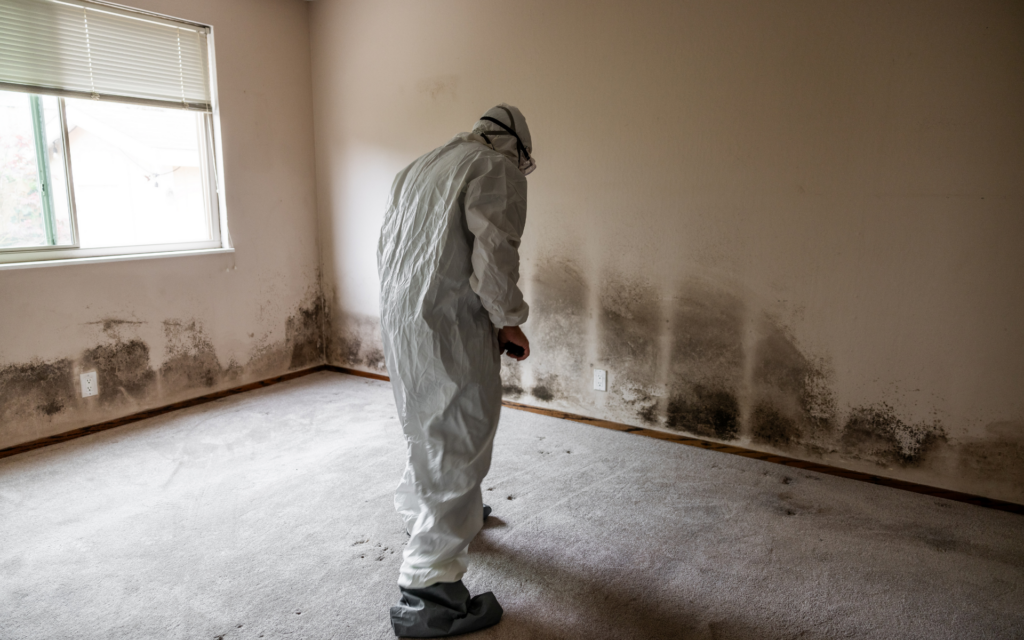
Living in Florida offers beautiful beaches, endless sunshine, and a vibrant lifestyle. However, the tropical climate also brings year-round heat and relentless humidity, the exact atmospheric ingredients required for a hidden, highly dangerous indoor invader: toxic black mold. For homeowners across West Palm Beach, Jupiter, Boca Raton, and the surrounding areas, managing indoor moisture isn’t merely about maintaining physical comfort; it is an absolute necessity for preserving your family’s health and protecting your property’s structural integrity.
When excessive moisture becomes trapped inside your walls, up in your attic, or within your HVAC ductwork, it creates the perfect breeding ground for dormant mold spores to thrive. Unfortunately, many homeowners do not realize they have a severe mold infestation until they begin experiencing unexplainable, chronic health issues. Recognizing black mold symptoms early is the essential key to preventing long-term medical complications and stopping catastrophic, irreversible damage to your home’s framework.
In this comprehensive guide, All Thermo Insulation explores the underlying science behind black mold, how prolonged exposure directly affects your physical well-being, the critical warning signs your house is suffering from moisture intrusion, and the ultimate insulation and restoration solutions for regaining total control of your indoor air quality.
Table of Contents
What is Black Mold? (Stachybotrys Chartarum Explained)
Black mold, scientifically known as Stachybotrys chartarum, is a highly toxic type of micro fungus that produces dangerous chemical compounds called mycotoxins. It typically appears as a dark greenish-black, slimy patch and thrives in extremely damp, water-damaged environments, specifically targeting building materials with a high cellulose content like drywall, solid wood framing, and paper-backed fiberglass insulation.
Unlike standard household mildew that might occasionally appear in a neglected shower corner or on a humid windowsill, black mold is highly toxic and deeply structural. It does not grow immediately; it typically requires building materials to be continuously wet for an extended period to successfully establish its colonies.
Once fully established, it releases microscopic spores and invisible mycotoxins into the air. When these microscopic toxins circulate through your home’s HVAC system, they contaminate the very air your family breathes, settling deep into your lungs, skin, and even embedding into your upholstered furniture. Because mycotoxins are remarkably resilient and incredibly difficult to neutralize, simply wiping away the visible mold with household cleaners does not eradicate the underlying danger. The root cause which is always trapped moisture and inadequate thermal insulation must be completely resolved.
What Are the Most Common Black Mold Symptoms in Humans?
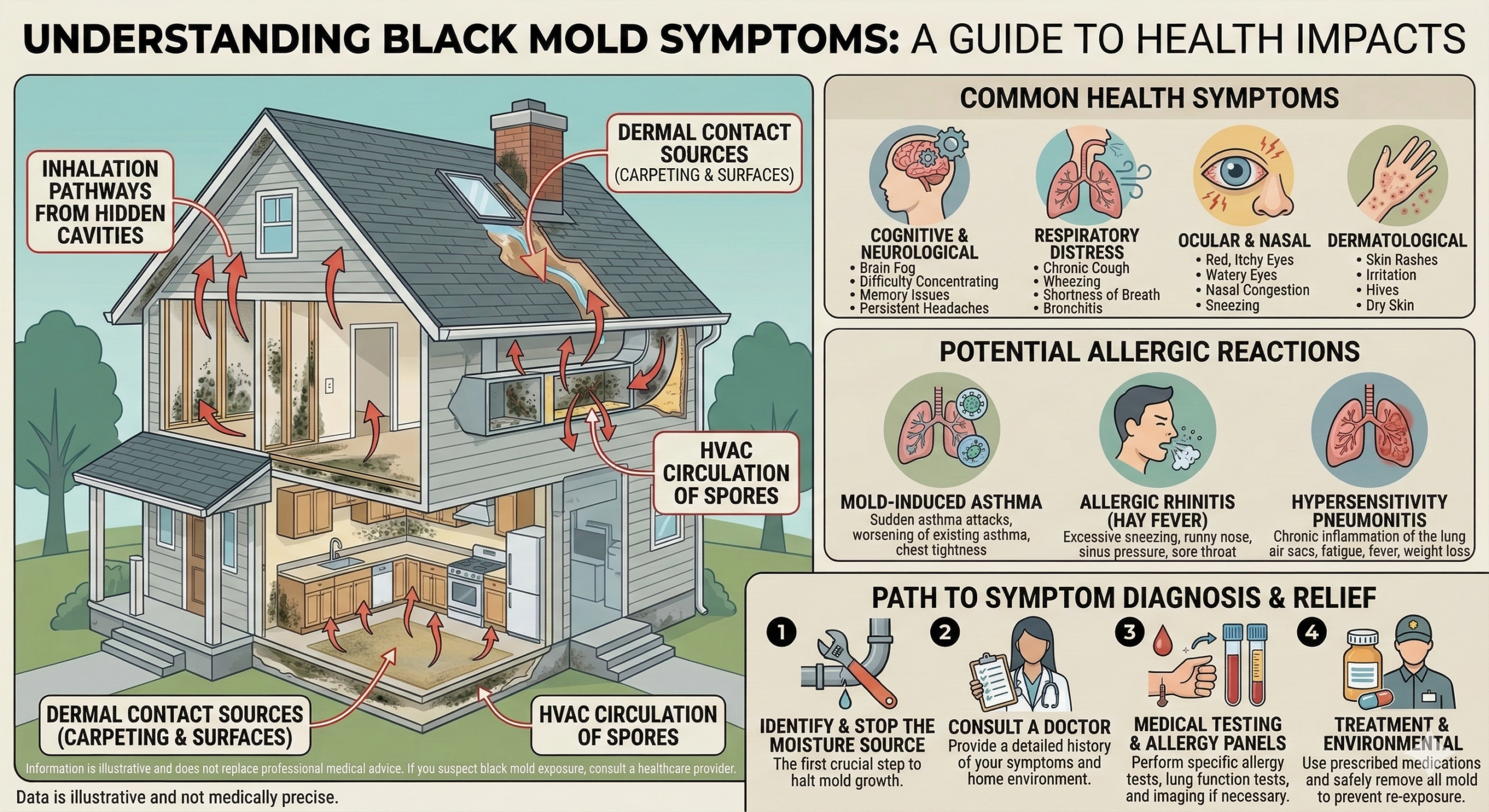
If your Florida home has a hidden fungal infestation, your own body will often act as the very first alarm system. Because mold spores travel effortlessly through your AC ductwork, your exposure is continuous as long as you remain inside the house. Black mold symptoms can range from mild allergic reactions to severe, debilitating respiratory distress, heavily depending on the length of exposure, the concentration of spores in the air, and the strength of the individual’s immune system.
Here is a detailed breakdown of how toxic black mold exposure aggressively affects human health:
Respiratory and Sinus Complications
The most immediate and frequent black mold symptoms manifest directly within the respiratory system. Because you inhale the invisible spores with every breath, your sinuses and lungs bear the absolute brunt of the immune system’s defensive response. Affected individuals often experience a chronic, persistent cough that refuses to respond to standard cold, flu, or allergy medications.
You may notice severe nasal congestion, a constant runny nose, and highly irritating post-nasal drip. For individuals with pre-existing conditions like asthma, chronic obstructive pulmonary disease (COPD), or compromised immune systems, exposure to black mold can rapidly trigger severe, life-threatening asthma attacks, deep chest wheezing, and profound shortness of breath. In prolonged exposure cases, it can ultimately lead to mold-induced pneumonia or chronic sinus infections that require intensive, long-term medical intervention.
Skin Irritation and Allergic Reactions
When airborne mycotoxins make physical contact with your bare skin or enter your bloodstream through inhalation, they can provoke severe dermatological reactions. Homeowners dealing with toxic mold often report unexplained skin rashes, localized hives, and extreme, unexplainable itchiness.
These rashes may appear seemingly at random and worsen significantly when spending time in specific areas of the house, such as a damp master bedroom or directly beneath an unconditioned, humid attic. Furthermore, black mold symptoms frequently include watery, heavily bloodshot eyes, accompanied by an intense burning or itching sensation that eye drops cannot permanently relieve.
Neurological and Fatigue Symptoms
Perhaps the most alarming, disruptive, and least understood black mold symptoms are neurological in nature. Mycotoxins are potent enough to cross the blood-brain barrier, leading to cognitive dysfunction that patients frequently describe as severe “brain fog.” Sufferers frequently report a sudden inability to concentrate, severe short-term memory loss, and a general, pervasive sense of mental confusion.
Alongside cognitive decline, chronic, heavy fatigue is a hallmark symptom of toxic exposure. No matter how many hours of high-quality sleep you attempt to get, constant exposure to toxic mold keeps your immune system locked in a continuous state of hyper-arousal, fighting an invisible enemy. This leaves you feeling profoundly exhausted, physically lethargic, and completely drained of energy. Some individuals also experience chronic, debilitating migraines that miraculously vanish when they leave the contaminated home for extended periods, such as going on vacation.
How Does Florida’s Climate Create the Perfect Storm for Mold?
To fully understand why Florida homes are so particularly vulnerable to black mold outbreaks, you have to look at the regional atmospheric science. Mold requires three primary elements to flourish uncontrollably: mold spores (which are naturally occurring outdoors everywhere), a food source (wood framing, drywall paper, household dust, and traditional fiberglass insulation), and most importantly, moisture.
In Florida, the outdoor relative humidity regularly exceeds eighty percent for much of the year. When this heavy, water-laden outdoor air aggressively penetrates the outer envelope of your home through tiny gaps, it eventually collides with the cool, air-conditioned surfaces inside your interior walls and attic space. This direct collision of hot, humid outdoor air and cool, conditioned indoor surfaces instantly creates heavy condensation. Over time, this daily condensation cycle completely soaks into your porous building materials.
Furthermore, Florida frequently experiences intense tropical storms, driving rains, and hurricane seasons that force bulk water into the tiniest crevices of a roof deck or exterior block wall. Without proper air sealing, modern thermal insulation, and specialized proactive moisture control strategies, a Florida home is constantly fighting a losing, uphill battle against water intrusion. The sub-tropical climate essentially serves as a massive incubator, drastically accelerating the growth rate of toxic black mold compared to drier, colder northern regions.
What Are the Signs of Black Mold in Your Home?
Your physical body isn’t the only thing that exhibits black mold symptoms. Your home will also show clear, undeniable structural indicators of profound distress. If you suspect an issue, keep a highly vigilant eye out for these critical warning signs:
Musty, Earthy Odors
One of the very first and most reliable signs of a hidden black mold infestation is the smell. Black mold actively produces microbial volatile organic compounds (MVOCs) as it feeds, digests, and grows. These gaseous compounds emit a distinct, pungent, musty odor that smells remarkably like rotting wood, wet dirt, or a damp, neglected basement. If you clean your Florida house thoroughly, utilize air fresheners, but still cannot eliminate a lingering, heavy earthy smell, you almost certainly have hidden mold actively growing inside your wall cavities or deeply within your AC ductwork.
Visible Growth and Discoloration
While toxic black mold absolutely loves to hide in dark, enclosed, undisturbed spaces, it will eventually become highly visible as the colony expands its territory. Look for dark green, brownish, or completely pitch-black splotches on your painted drywall, particularly near lower baseboards, surrounding window frames, or directly on the ceiling drywall beneath the attic. Another incredibly common location is the metallic AC vents. If you see dark, thick dust or fuzzy spots surrounding your ceiling air registers, this is a massive, urgent red flag that active mold spores are currently circulating through your entire HVAC system.
Peeling Paint and Warping Wood
Trapped moisture is the undeniable driving force behind all mold growth. If you notice your interior wall paint suddenly bubbling, severely peeling, or flaking off, it means liquid moisture is actively trapped directly behind the drywall. Similarly, if your expensive hardwood floors begin to cup and buckle, or if your wooden baseboards and door frames feel spongy, soft, or look visibly warped, heavy water is accumulating. Where there is chronic water accumulation inside a Florida home, black mold is almost certainly already present or will be within a matter of days.
How Does Black Mold Affect Your Home’s Structural Integrity?
Beyond the terrifying human health implications, black mold is incredibly destructive to the physical framework and financial value of your property. Mold is a natural decomposer; its specific biological purpose in nature is to aggressively break down dead organic matter. When it takes up uninvited residence inside your home, it treats your critical structural framing, heavy floor joists, and vital roof decking as its personal, all-you-can-eat food source.
Over a surprisingly short time, black mold literally eats away at the cellular structure of the wood, causing severe, irreversible wood rot. This significantly compromises the load-bearing capacity of your home’s framework, which is exceptionally dangerous and highly negligent in a hurricane-prone state like Florida where maximum structural integrity is absolutely paramount to surviving severe weather events.
Additionally, toxic mold destroys traditional building insulation. When outdated fiberglass batts or blown-in cellulose become contaminated with mold spores and heavy moisture, they instantly lose all of their thermal resistance capabilities. The insulation becomes a heavy, soggy, useless sponge that traps dirty water directly against your delicate ceiling drywall, eventually leading to catastrophic ceiling collapses and the immediate need for massive, highly disruptive, and incredibly invasive remediation projects.
What Is the Connection Between Poor Insulation and Black Mold Symptoms?
This is precisely where the true authority on advanced home health comes into play. The vast majority of severe black mold issues in Florida homes can be directly traced back to poor, outdated insulation, poorly sealed attics, and highly compromised AC ductwork.
In a standard, older vented attic, heavy outdoor humidity is allowed to flow freely into the raw space directly above your ceiling. If your home’s HVAC ductwork is located within this extreme environment, the thin metal ducts become ice cold from the highly conditioned AC running constantly inside them. The hot, heavy, humid attic air violently hits these freezing cold ducts, and the ducts immediately begin to “sweat” profusely. This resulting condensation steadily drips, day after day, onto the fragile drywall and highly absorbent fiberglass insulation below.
This continuous, daily cycle of sweating AC ducts and failing traditional insulation creates the perfect, perpetually damp, undisturbed environment for Stachybotrys chartarum to aggressively colonize. Furthermore, if your attic insulation does not provide an airtight, modern seal, the millions of toxic mold spores generated up in the attic are easily and rapidly sucked directly down into your main living space through unsealed recessed lighting fixtures, ceiling fans, and microscopic cracks in the drywall ceiling. Upgrading your home’s insulation is not just about lowering your monthly energy bill; it is the absolute most effective, proactive way to permanently cut off the moisture supply that black mold desperately needs to survive.
How Can You Prevent Black Mold in Florida Homes?
When dealing with toxic elements, aggressive prevention is always highly effective and far less stressful than dealing with a catastrophic remediation event. To fiercely protect your home and permanently eliminate the risk of black mold symptoms, you must focus entirely on complete moisture control and comprehensive building envelope sealing.
- Upgrade to Closed-Cell Spray Foam Insulation: This is the ultimate, gold-standard defense for Florida homes. By having professionals apply closed-cell spray foam directly to your roof deck, you instantly create an impermeable moisture and vapor barrier. It forcefully stops humid air from ever entering the attic, completely eliminates dangerous duct sweating, and keeps your structural wood completely bone dry year-round.
- Seal and Clean Your AC Ductwork: Ensure your HVAC ducts are completely airtight and professionally sanitized. Leaky, compromised ducts pull humid, dirty air in and blow toxic mold spores out into your bedrooms.
- Address “Cold Attic Syndrome”: Work closely with building science professionals to seamlessly transition your home to a fully conditioned, unvented attic system. This vital architectural upgrade completely stops the physical collision of extreme heat and extreme AC cold that causes the destructive condensation cycle.
- Maintain Optimal Indoor Humidity: Utilize whole-home dehumidifiers or ensure your current HVAC system is perfectly sized to keep your indoor humidity levels consistently and safely below fifty percent at all times.
Take Control of Your Home’s Health Today
Ignoring the early, subtle warning signs of indoor mold can swiftly lead to devastating health consequences for your family and extensive, highly invasive structural damage to your home. If you or your family members are experiencing persistent, unexplained black mold symptoms, or if your home constantly feels heavy and humid, smells faintly musty, or suffers from chronically sweating AC ducts, you absolutely cannot afford to wait another day. The root cause of these severe issues is almost always directly tied to failing, outdated insulation and continuous, unmitigated moisture intrusion.
As West Palm Beach and South Florida’s premier, trusted experts in modern insulation, complete attic restoration, and advanced moisture control, All Thermo Insulation is standing by ready to help you reclaim your indoor air quality and protect your greatest investment. We specialize in rapidly identifying the hidden vulnerabilities in your home’s structural envelope and providing state-of-the-art, permanent solutions—from complete, medical-grade attic sanitization to premium, closed-cell spray foam insulation upgrades that stop moisture and mold dead in their tracks.
Do not let toxic black mold silently compromise your family’s daily well-being or destroy your property’s long-term value. Contact All Thermo Insulation today to schedule a comprehensive, professional evaluation of your attic and insulation, and take the definitive first step toward a vastly healthier, safer, and infinitely more comfortable home!